
Those Four Letters on Your Boarding Pass Could Ruin Your Travel Day
This post may contain affiliate links that earn me a small commission but come at no extra cost to you.
There are four letters that no traveler wants to see printed on their boarding pass, and millions of Americans have no idea what they mean. Here is everything worth knowing before the next trip to the airport.
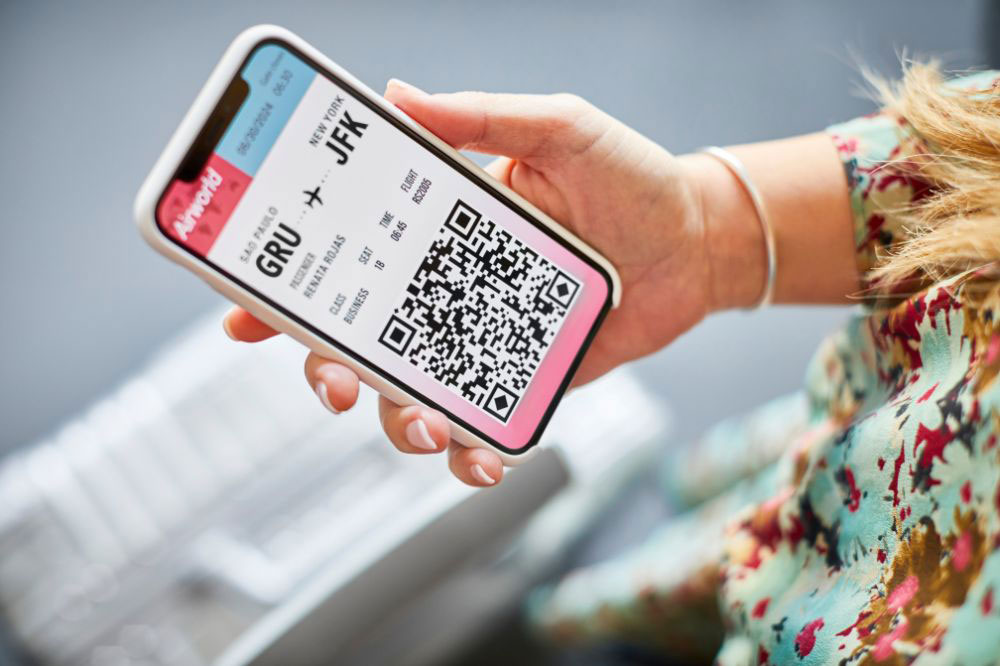
Every year, thousands of travelers glance down at their boarding pass and notice something unexpected: four identical letters stamped right there alongside their flight details.
It is not a reward. It is not an upgrade. It is a designation that guarantees a longer, more thorough experience at airport security, and it can happen to absolutely anyone.
What SSSS Actually Means
SSSS stands for Secondary Security Screening Selection. When those letters appear on a boarding pass, it means the Transportation Security Administration has flagged that passenger for a more comprehensive round of checks before boarding.
What that looks like in practice varies, but travelers can expect some combination of a physical pat-down, additional inspection of carry-on and checked luggage, and swabs testing for explosive residue.
Budget an extra 15 to 45 minutes beyond the usual security wait. This is not a quick secondary glance. It is a full, deliberate process.
How Does the TSA Actually Choose?
The short answer is: it depends. The TSA uses a system called Secure Flight, a risk-based prescreening program that evaluates passengers before they ever arrive at the airport.
The program works by matching passenger names against trusted traveler lists and government watchlists, including the Terrorist Watchlist, the No-Fly List, and the CDC's Do Not Board list.
To do this, Secure Flight collects a limited set of personal information: full legal name, date of birth, and gender. The program is designed to flag genuinely high-risk individuals while keeping data collection to a minimum.
But here is the part that surprises most people: being selected does not mean a traveler is considered dangerous or has landed on any list. The system also makes random selections, and those selections can fall on anyone.
Even trusted travelers are not exempt. Members of U.S. Customs and Border Protection's Trusted Traveler Programs, including Global Entry and TSA PreCheck, can still receive the SSSS designation.
Status and expedited screening memberships offer no guaranteed protection against it.
Is It Permanent?
No. For travelers who were chosen at random, the designation applies only to that specific flight. It does not carry over to future bookings, and there is no reason to assume it will happen again. Many people receive it once and never see it again.
It is also worth knowing that switching to a different flight will not help. Once the selection has been made, the screening requirement stays in place until it has been completed.
What to Do When It Happens
There is no way to remove SSSS from a boarding pass once it appears. The most practical move is to simply allow extra time and approach the process with patience.
TSA agents conducting secondary screenings are doing their jobs, and the process, while inconvenient, is not designed to be aggressive or punishing.
- Arrive at the airport earlier than usual, at least 30 minutes beyond the normal buffer.
- Keep luggage organized and easy to open for inspection.
- Stay calm and cooperative throughout. The process moves faster that way.
- Do not be surprised if agents use an explosive trace detection swab on hands, bags, or clothing. It is standard procedure.
The Bigger Picture
The Secure Flight program exists to strike a balance between thoroughness and efficiency.
By doing the bulk of its risk assessment before passengers reach the airport, it allows the majority of travelers to move through security without interruption, while ensuring higher-risk or randomly selected individuals receive closer attention.
For most travelers, SSSS will be a one-time inconvenience. For a small number, it may appear more frequently, which could indicate that a name is closely matching one on a watchlist.
In that case, the Department of Homeland Security's Traveler Redress Inquiry Program, known as DHS TRIP, offers a formal process to address repeated screening issues.
Either way, those four letters are far less alarming than they look at first glance. Annoying? Absolutely. Worth losing sleep over? Not remotely.