Theme parks promise magic, but the price tag rarely feels magical, and most people accept that as the cost of admission. It doesn’t have to be. With a few smart calls on timing, tickets and where you sleep, the same trip costs a fraction of what everyone assumes.

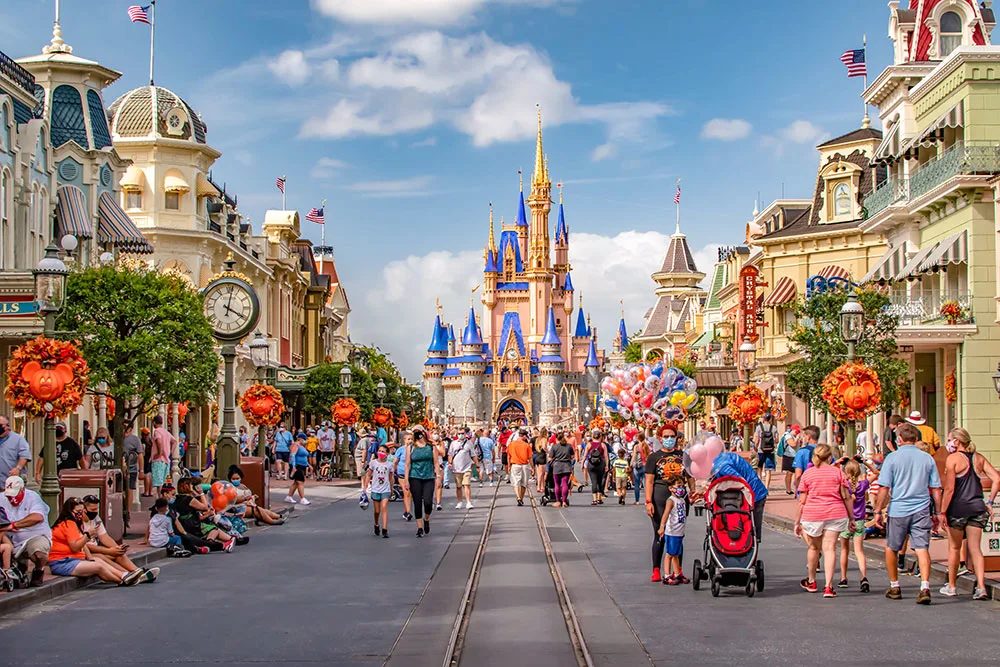
Theme park holidays are still one of the easiest ways to bring a family or a group of friends together under one roof of entertainment.
Orlando alone welcomes more than 70 million visitors a year, drawn in by parks that promise magic, thrills and a break from the everyday.
But that magic comes with a price tag, and it is one that tends to creep up fast. Tickets, hotels, meals, extras. Before long, a dream trip starts to feel like a financial headache.
The assumption that a great theme park trip has to be an expensive one is where most people go wrong.
With a bit of planning, it is entirely possible to enjoy the best parks in the world without draining a bank account. The real skill lies in knowing where to trim costs without losing any of the fun.
Where You Sleep Makes or Breaks the Budget
Accommodation usually swallows the biggest chunk of a theme park budget, so getting this decision right matters more than almost anything else.
In a destination like Florida, where demand barely dips and prices swing with the seasons, finding the balance between location and cost takes some thought.


Staying near Walt Disney World is tempting for the convenience alone, but that convenience often comes at a premium. Florida residents have a genuine edge here, since many nearby resorts offer a Florida resident Disney hotel discount and other limited-time deals reserved just for locals.
For anyone who qualifies, this is one of the simplest ways to free up budget for the parts of the trip that matter more, like food and experiences.
Travel When Everyone Else Isn’t
Timing shapes a theme park budget more than most travellers realise. Choosing to visit during quieter, off-peak weeks or travelling midweek instead of at the weekend can bring accommodation, ticket and flight prices down noticeably.
Fewer crowds also mean shorter queues, which means more time enjoying rides rather than paying extra just to skip the line.
Working travel dates around school terms, public holidays and major events opens the door to better pricing and the occasional last-minute deal. Even a shift of a few days can make a real difference. Timing is one of the few savings strategies that costs nothing but a bit of flexibility.


Eating Well Without Overpaying
Food inside theme parks adds up quickly, especially across a longer stay or with a larger group. Thinking through dining choices ahead of time helps avoid overspending before the trip even starts.
Some travellers find that a meal plan works out best for them, while others prefer to pay as they go and keep things flexible. It comes down to understanding how the group actually eats.
Bringing snacks and a refillable water bottle into the park makes a noticeable dent in daily costs.
Stepping outside the park gates for at least one meal a day also tends to be kinder on the wallet. None of this means missing out. It just means being a little more intentional about where the money goes.
Buy the Ticket You’ll Actually Use
Tickets are often where the biggest overspend happens, particularly when extras like park hopper access or express passes get added without much thought.
Reviewing the itinerary before buying helps travellers choose tickets that actually match their plans, rather than paying for flexibility that never gets used.
Multi-day tickets generally offer better value per day, which makes them worth considering for longer stays. It is also worth comparing authorised sellers and bundle deals before committing, since even small pricing differences can stack up quickly across a family or a group.
Getting Around Without the Extra Fees
Transport costs are easy to overlook during planning, yet they can quietly eat into a budget. Daily parking fees at theme parks build up fast over the course of a trip.
Choosing a hotel with a complimentary shuttle removes those recurring costs entirely and takes the stress out of navigating busy car parks.
Rideshares, public transport or simply staying within walking distance of the parks can also cut down the need for a rental car. Weighing up these options before arrival makes it much easier to move around efficiently, without the extra spending that comes with convenience for its own sake.
Save the Souvenirs for Outside the Park
Souvenirs are part of the fun, but the prices inside the park rarely reflect that. Planning ahead helps avoid the kind of impulse buys that quietly blow a budget. Many travellers pick up themed items before the trip even begins, when prices are lower and the selection just as good.
Setting a clear limit for souvenirs keeps spending in check while still leaving room for something meaningful. Choosing pieces with real value, rather than novelty items bought in the moment, tends to bring more lasting satisfaction once the trip is over.
None of This Means Compromising on the Magic
Saving money on a theme park trip really comes down to a handful of smart decisions made early. The right accommodation, the right timing, and a bit of daily discipline around food and extras can add up to significant savings without taking anything away from the experience.
A well-planned trip is not a smaller trip. It is simply a smarter one, and it tends to be a far more relaxed one too.