
One Toddler, One Tantrum, and a Plane Full of Passengers Who All Missed Their Flight
This post may contain affiliate links that earn me a small commission but come at no extra cost to you.
A single child managed to ground an entire aircraft. What happened next left a planeful of passengers stranded overnight.
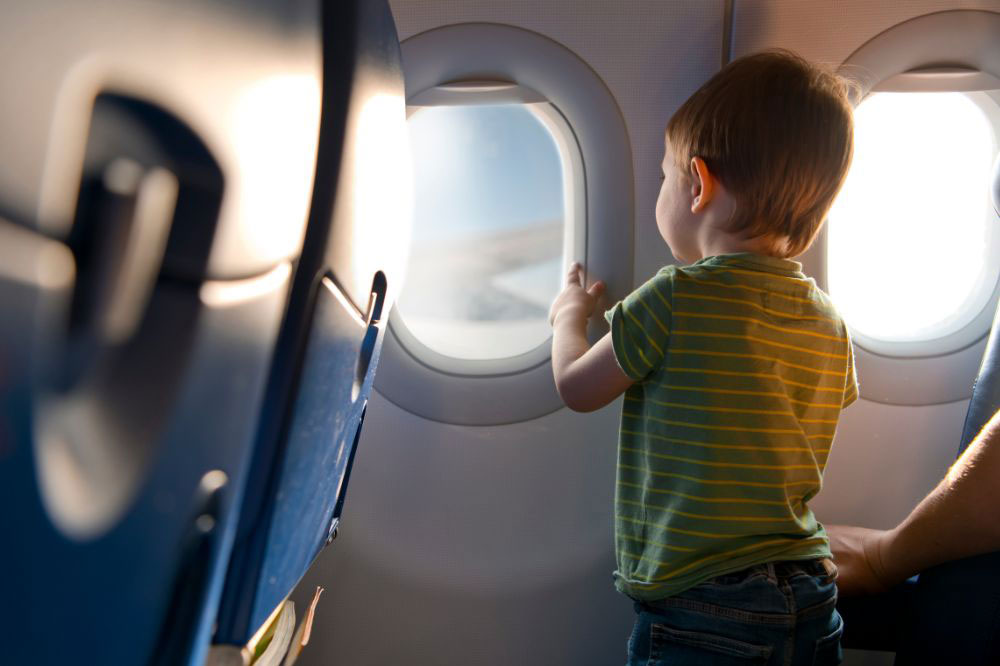
Earlier this month, a Porter Airlines flight scheduled to depart Victoria, British Columbia, for Toronto never made it off the ground. The reason?
A toddler who refused to sit down and buckle up. What started as a routine pre-departure delay spiraled into a full cancellation, leaving every passenger on board scrambling for a new plan.
What Actually Happened on the Porter Airlines Flight
The incident unfolded aboard a Porter Airlines departure from Victoria International Airport. Before the aircraft could taxi, a young child was reportedly standing on their seat and would not be secured into a seatbelt.
Both the child's parents and the cabin crew attempted to resolve the situation, but the standoff dragged on long enough to become a serious problem.
Porter Airlines confirmed the sequence of events in a statement to The New York Times: "The aircraft could not take off in this unsafe condition, so the crew elected to return to the terminal and have the passengers disembark."
By the time the family had been removed and the airline attempted to reprocess the flight, time had run out.
Victoria International Airport enforces a nightly runway curfew at 12:30 a.m., and the crew could not retrieve the family's baggage and update the departure paperwork before that deadline passed.
The flight was canceled outright. Every remaining passenger was rebooked onto a departure the following day.
Why a Small Delay Became a Cancellation
Under most circumstances, removing a disruptive passenger from a flight does not automatically mean everyone else loses their journey. Airlines handle passenger issues at the gate regularly, and delays of that kind rarely result in outright cancellations.
But a handful of factors made this situation unusually fragile.
Late-night departures leave almost no margin. When a flight is scheduled close to an airport curfew, even a modest delay becomes catastrophic. There is simply no buffer.
Victoria's curfew is strict and non-negotiable. The airport stops aircraft operations at 12:30 a.m., and that deadline does not bend for delayed paperwork.
Porter's route frequency is limited. Larger carriers operating dozens of daily flights between two cities have options when one departure fails. On a thinner route with only a handful of daily services, a missed window means waiting until the next day.
Some passengers who spoke to CBC News were critical of how the airline managed the timeline, saying the family had already left the aircraft a full hour before the curfew came into effect.
That raises questions about whether faster action on the airline's part could have saved the flight.
Airport Curfews Are More Common Than Travelers Realize
Victoria is far from unique in restricting nighttime flights. A number of airports across North America limit when aircraft can take off and land, typically to manage noise impacts on surrounding neighborhoods.
In the United States, John Wayne Airport in Orange County, San Diego International, and Hollywood Burbank Airport all have nighttime restrictions in place. Billy Bishop Toronto City Airport, Porter Airlines' home base, operates under similar constraints.
For travelers booking late-evening departures at any of these airports, the margin for error is smaller than it appears on a boarding pass.
The Broader Picture: Why Airlines Have Less Flexibility Than They Used To
This incident also sits within a larger context that has been quietly shrinking airlines' operational cushion for years. Rising fuel costs have pushed carriers to cut expenses elsewhere, including staffing reductions and longer flying hours for individual aircraft.
Crews are scheduled for longer days, and planes are kept in the air for more hours to extract maximum value from each asset.
The knock-on effect is that routine disruptions, things that might have been absorbed without consequence a decade ago, now carry more risk of cascading into something larger.
A delay that would once have been recovered becomes a curfew miss. A curfew miss becomes a cancellation.
It is worth noting that none of this signals a trend toward airlines canceling flights more readily because of passenger behavior.
Regulations in both the United States and Canada require all passengers to be seated and belted before any aircraft can depart, which means crew members have no legal alternative when a passenger refuses to comply.
The situation on the Porter flight was, at its core, a standard safety enforcement that collided badly with an already tight timeline.
What Travelers Should Know
If you are flying into or out of an airport with a nighttime curfew, late-evening departures come with inherent risk. Any delay, whether caused by weather, a technical issue, or a passenger situation, can tip a flight into cancellation territory with very little warning.
Booking the earliest available departure when traveling through curfew-restricted airports gives significantly more breathing room.
Travel insurance that covers trip delays is also worth considering, particularly on thinner routes where rebooking options the same night are effectively nonexistent.
As for the Porter Airlines passengers who lost a night to one child's refusal to buckle up, they were rebooked and eventually made it to Toronto. Just twenty-four hours later than planned.