
Flying business class on Delta used to be straightforward. That just changed in a way that could either save you hundreds of dollars or quietly strip away the perks you thought you were paying for.
Delta Air Lines has introduced a new stripped-back fare category across all three of its premium cabin products: Delta First, Delta Premium Select, and Delta One.
The move follows a similar shake-up at United Airlines earlier this year and signals a broader shift in how American carriers are packaging and selling their premium seats.
The idea is simple on the surface. Travelers who want a premium seat without paying the full premium price now have an entry point. But the trade-offs are real, and understanding exactly what gets cut is the difference between a smart booking and a frustrating one.
What Delta Is Actually Changing
Delta has introduced Basic fares across Delta First, Delta Premium Select, and Delta One, sitting alongside two other fare types: Classic and Extra. Classic becomes the new standard, while Extra is a fully refundable version of Classic with no additional onboard differences.
The naming is slightly different depending on which cabin is involved. The entry-level Delta One fare is not called Basic Delta One.
Instead, Delta is calling it Basic Business, which the airline describes as offering an industry-standard business-class experience without Delta One’s premium airport benefits.
This isn’t a new concept in American aviation. Delta pioneered basic economy in the United States back in 2012, and in April 2026, United Airlines became the first major U.S. carrier to introduce stripped-down versions of its Polaris business class and United Premium Plus fares.
Delta is now following suit at scale.
The Seat Itself Does Not Change
This is worth knowing upfront.
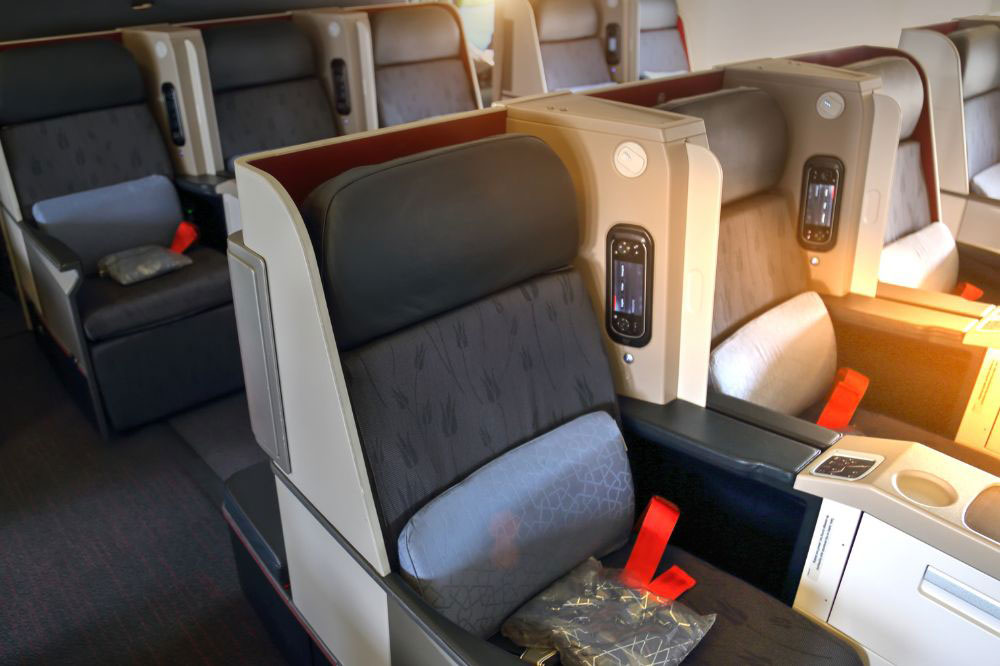
Regardless of which premium cabin travelers book, the onboard seat itself stays the same.
A Basic Delta First ticket still comes with the same first-class recliner. Basic Delta Premium Select passengers receive the same wider seat with additional legroom, enhanced dining, and upgraded amenities.
Basic Business passengers still receive Delta One’s lie-flat suite, premium meals and beverages, bedding, amenity kits, and the same onboard service.
So if the only thing that matters is what happens once the door closes, Basic fares are a genuine option.
What Gets Taken Away
Here is where it gets complicated.
Seat selection. Basic fare travelers cannot select their seats in advance. Instead, they receive an assignment after check-in, which could mean missing a preferred window seat or being separated from a travel companion.
SkyMiles earnings. General SkyMiles members earn only two SkyMiles per eligible dollar spent on Basic tickets, compared to five on Classic and seven on Extra. For frequent flyers, that gap adds up fast.
Checked bags. Basic fares across all three premium cabins include just one complimentary checked bag instead of the standard two.
Upgrades. Basic fare holders are ineligible for complimentary or paid upgrades.
Change and cancellation flexibility. Basic tickets allow changes for a fee and offer an eCredit refund for cancellations minus a cancellation fee. Classic itineraries, by contrast, have no change or cancellation fees.
The Lounge Access Cut Is the Biggest One to Watch
For Basic Business travelers specifically, the airport experience is changing in a way that many frequent flyers will feel.
Basic Business passengers will continue to have access to Delta One check-in counters, Delta One Lounges, and Delta Sky Clubs for now. But those benefits disappear for flights on or after January 19, 2027.
That is a significant downgrade. After that date, only travelers who purchase a Delta One Classic or Extra fare, or who qualify through another eligible benefit such as a premium credit card or a Delta lounge membership, will receive complimentary lounge access.
Basic Delta First and Basic Delta Premium Select tickets do not include complimentary Delta Sky Club access, consistent with how their Classic and Extra counterparts already work.
Who This Actually Makes Sense For
The honest answer is that Basic fares are best suited to travelers who are seat-focused and perk-agnostic.
Someone who wants a lie-flat bed for a transatlantic overnight flight but has Sky Club access through an Amex Platinum or a Delta credit card anyway will likely find the trade-offs manageable.
For SkyMiles loyalists, road warriors who rely on lounge access, or anyone who values being able to pick a specific seat before the day of departure, the savings may not be worth what gets left behind.
Delta positioned the move as giving price-sensitive travelers a new entry point into the premium cabins. Whether that framing holds up depends entirely on how much a traveler values everything that happens outside the plane versus inside it.