
Thousands of American travelers have been unknowingly paying extra for a view they never got. Now, a federal court has decided this is worth fighting over.
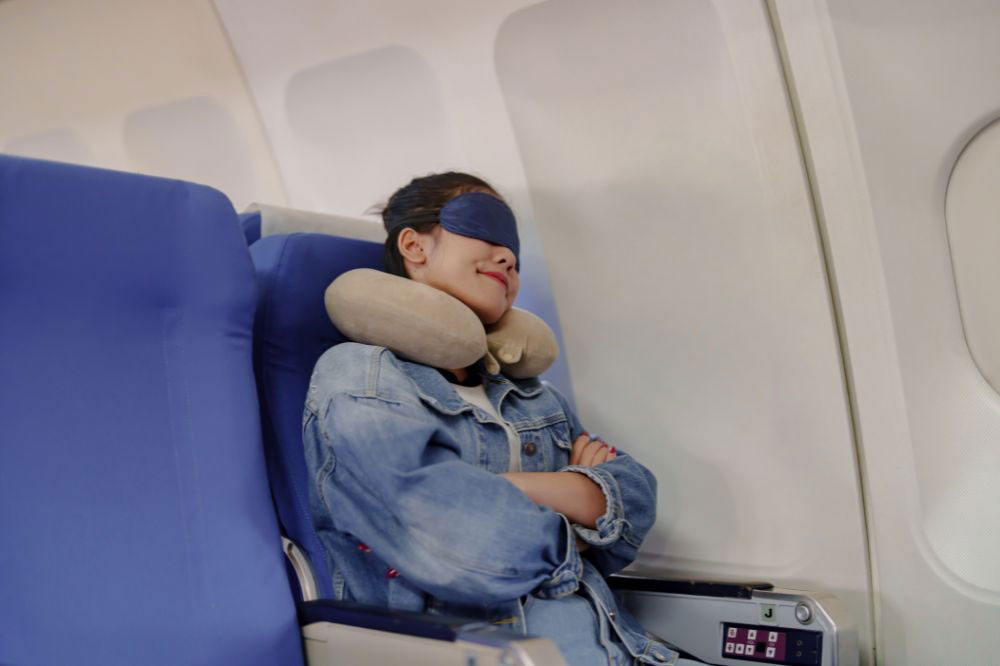
Airlines have long charged passengers a premium to sit by the window. The promise is simple: a little more control, a little more light, and a front-row seat to the world passing by at 35,000 feet.
But a growing number of flyers are discovering that what they paid for and what they actually got are two very different things. Some “window seats” on major U.S. carriers have no window at all. Just a blank wall of fuselage where the glass should be.
And now, one of the country’s biggest airlines is being held accountable in court.
The Lawsuit
A federal judge has rejected United Airlines’s request to dismiss a lawsuit that alleges passengers paid extra for window seats that had no actual window.
Passengers originally filed proposed class action lawsuits against both United Airlines and Delta in August 2025, claiming they had paid additional fees to select window seats, only to board their flight and find themselves next to a blank cabin wall.
The United case is being heard in San Francisco, while the Delta suit is playing out in Brooklyn.
The core argument from passengers is straightforward. When airlines charge a premium for seat selection, they should disclose when a seat labeled as a window seat does not actually have a window.
Why Do Some Window Seats Have No Window?
On aircraft including Boeing 737s, 757s, and Airbus A321s, some seats labeled as window seats sit adjacent to plain fuselage panels containing structural reinforcements, ducting, or wiring. The plane needs those panels. The passenger, however, did not sign up for them.
Because the issue comes down to aircraft configuration, windowless seats exist across the entire industry. This is not unique to United. Alaska Airlines even released an explainer on the issue back in 2019, along with a guide to the specific seats on its aircraft that have blank walls.
What the Judge Said
U.S. District Judge James Donato was not persuaded by United’s defense. The airline had argued that the word “window” refers to a seat’s position in the cabin relative to the wall of the aircraft, not to the presence of an actual window.
The judge rejected that argument. Donato stated that the terms of ticket purchase “plausibly establish that United expressly agreed to provide a seat with a window to passengers who paid for one,” and that reservation screens made “unequivocal representations at the time of booking” that a window seat would be provided.
The case moves forward.
What United Says
United’s media team declined to address the litigation directly but pointed to changes made to its seat selection process in 2025, saying the airline added more detail to help customers understand what to expect when choosing a seat.
Whether those updates came as a direct response to the lawsuit is not clear. What is clear is that the complaints have been loud enough to reach the highest levels of public attention.
The Frustration Is Real
Seat-selection fees across the industry range from around $15 to well over $50 per flight, depending on the airline, flight length, and cabin class. That is real money for a feature that may not deliver what it promises.
Social media has been full of passengers sharing their windowless experiences for years.
CBS News anchor Gayle King called out United on Instagram in January after finding herself in a business-class window seat with no window, saying she had sat down expecting to look out and found nothing there.
For many travelers, a window seat is about far more than the view. Controlling the amount of natural light can make a significant difference to the in-flight experience, and looking out the window can help relieve motion sickness for some passengers.
How to Avoid a Windowless Window Seat
There are ways to protect yourself before you book.
Carefully checking the seat map and any notes listed before making a selection is the first step.
Beyond that, tools like SeatMaps and AeroLOPA provide detailed aircraft layouts and passenger reviews, with panoramic views available for some of the most popular routes so travelers can see exactly what they are booking before they pay for it.
The lawsuit against United is still working its way through the courts, and the Delta case continues in parallel. A final ruling could have wide-reaching consequences for how airlines across the board market and sell their seating.
For now, the message is simple: do your research before you pay the upgrade fee, because the view you are picturing may not be waiting for you on the other side of that boarding door.