
Travelers are losing serious money before they even leave home. And the methods scammers are using have gotten a lot harder to spot.
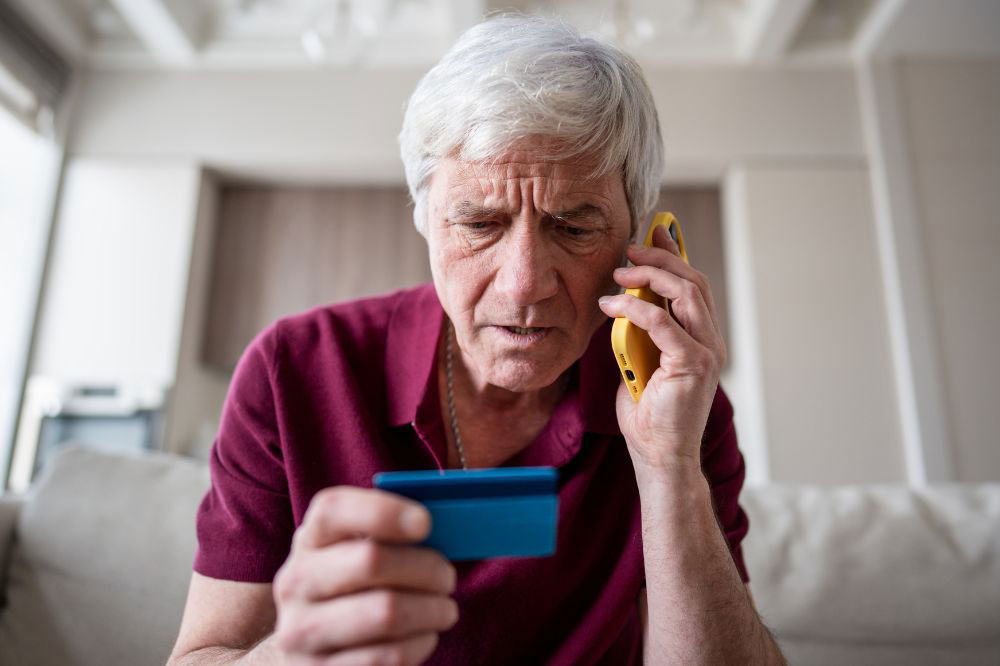
Peak travel season brings packed airports, overbooked rental cars, and apparently, a surge of fraudsters targeting vacationers at every step of the booking process.
New research from Airbnb has put some alarming numbers to what many travelers have already experienced firsthand, and the findings are worth paying attention to before hitting “confirm” on the next trip.
The Numbers Are Staggering
More than 40 percent of Americans have fallen for an online scam, according to a new Airbnb study shared with Travel + Leisure. The average victim lost nearly $2,000, and some lost more than $10,000.
That’s not a rounding error. That’s a vacation budget. Or several.
Roger Kaiser, Airbnb’s vice president of fraud and safety operations, noted in a statement that the platform’s anti-fraud systems blocked over 250,000 suspicious listings before they went live last year and cut clicks on risky links by more than 20 percent following a new feature launch.
Even so, he acknowledged the limits of any single platform’s reach: “Scammers don’t limit themselves to one platform and neither can the response.”
AI Is Making Scams Harder to Catch
One of the most unsettling takeaways from the report is that artificial intelligence is giving scammers a serious upgrade. Fake listings, phishing messages, and fraudulent websites are becoming more convincing by the day.
Airbnb says it continuously monitors its platform for fake listings and works to shut down third-party sites impersonating the brand. But no platform can catch everything, and travelers need to be bringing their own skepticism to every booking interaction.
What to Watch For Before You Book
Knowing the red flags can save thousands of dollars. A few key things to keep in mind:
- Treat unexpected links in emails, texts, or social media messages with real caution. Clicking before verifying is how most people get caught out.
- Be wary of unexpected phone calls. Scammers frequently impersonate travel companies, banks, or booking agents to extract passwords and payment details.
- Question deals that seem too good. Unusually low prices on high-demand rentals or flights are one of the most common bait tactics.
Paying with a credit card adds an important layer of protection since most major cards offer fraud benefits that can help recover lost funds.
The Threats Continue Once You’re on the Road
Scam awareness shouldn’t stop at checkout. Once traveling, a couple of less-obvious risks are worth knowing about.
Public Wi-Fi at hotels, cafes, and airports can leave personal data exposed to hackers lurking on the same network. Using a VPN or sticking to mobile data for sensitive browsing is a smart move.
Juice jacking is a lesser-known but growing threat. It refers to a technique where hackers compromise public USB charging ports, typically found in airports and transit hubs, to pull personal data directly from connected devices.
Carrying a personal charger or using a power bank sidesteps the risk entirely.
Package Deals Deserve a Closer Look Too
Not every bad deal is a scam, but some package vacations aren’t the bargain they appear to be. Hotel experts speaking on Travel + Leisure’s YouTube series “Travel, Unfiltered” recently flagged this as a common mistake travelers make.
The advice is simple: look up what flights, hotels, and extras would cost if booked separately before committing to a bundle. Sometimes the math works in the package’s favor. Sometimes it really doesn’t.
Travel planning takes enough energy without handing money over to fraudsters. Staying sharp about where and how bookings are made is one of the most practical things any traveler can do this summer.