
Something happened to one of the world’s most remote nations that most travelers haven’t heard about yet. And when they do, it’s going to change the way they read maps, book flights, and understand the Pacific.
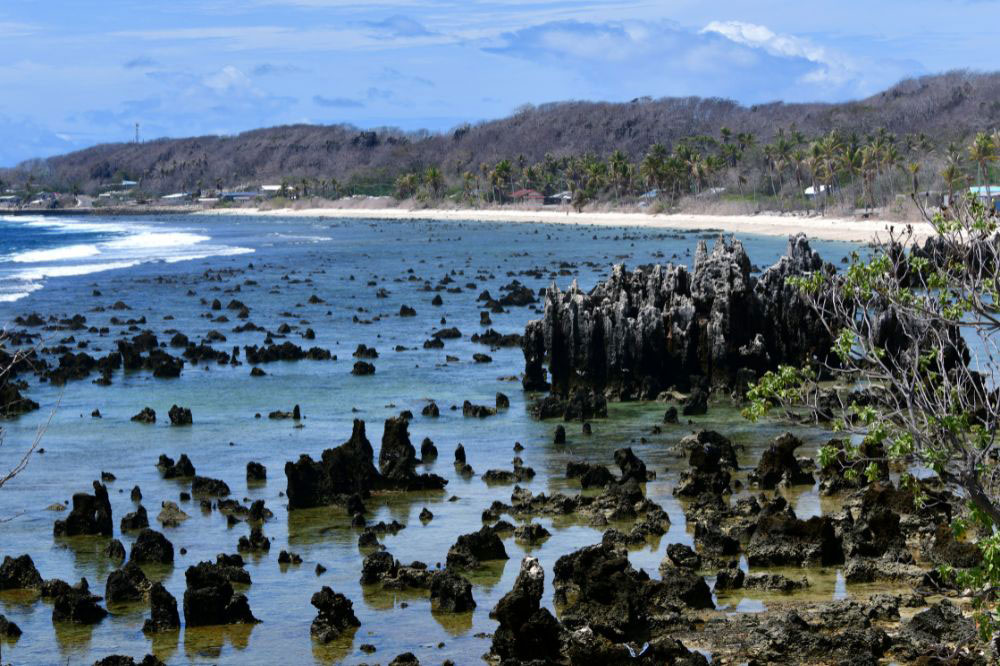
A small coral island sitting in the middle of the Pacific Ocean has made a move that’s both quietly revolutionary and long overdue.
Nauru, the third-smallest country on earth by population and a nation barely larger than a mid-sized American town, has officially changed its international name to the Republic of Naoero, reclaiming the word its own people have used for their home for generations.
What Actually Changed
The United Nations implemented the name change after being formally notified in June 2026. For the nation’s roughly 12,000 residents, Naoero is not a new name at all.
It’s the name that already appears on the country’s coat of arms. It’s the name used in the national language. It’s simply the name that was always theirs.
The internationally familiar “Nauru” came into use because foreign speakers struggled with the original pronunciation, gradually reshaping it into something easier for outsiders to say. Abroad, the country was pronounced “Now-roo.” The restored name, Naoero, is spoken as “Now-ero.”
Earlier this year, President David Adeang proposed the change and made the case plainly: it would “more faithfully honour our nation’s heritage, our language, and our identity.” He followed that with something even more direct: “Today, we have the opportunity to bring our name home.”
What It Means for Travelers
For anyone planning to visit, the practical impact is minimal for now. Airlines, booking platforms, maps, guidebooks, and government databases will take time to catch up, so expect to see Naoero and Nauru used interchangeably during the transition.
The airport code is staying the same. Naoero International Airport continues to use the IATA code INU, so nothing changes on boarding passes or baggage tags.
The three-letter international country code is shifting from NRU to NRO, though that’s a background administrative change most travelers will never notice.
Citizens will officially be referred to as dei-Naoero rather than Nauruans, and the new name is being incorporated into government records, national symbols, and the country’s aircraft and ships.
The national airline is starting to reflect the change too. A government announcement from last month referred to the carrier as “Naoero Airlines,” though Nauru Airlines branding is likely to stick around for some time yet.
Why This Matters Beyond One Small Island
Naoero’s story is bound up in colonial history. Germany annexed the island in the late 19th century. It later came under Australian-led administration before gaining independence in 1968.
The name change is part of a wider effort to strengthen the use of the country’s Indigenous language and reclaim a national identity shaped by decades of outside rule.
It also places Naoero in growing company internationally.
In 2018, Swaziland became Eswatini, adopting the name used in the Swazi language.
In 2022, the United Nations and other international organizations shifted to Türkiye following a formal request from the Turkish government to align international usage with the country’s own spelling.
Similar reckonings have played out across the United States too. In Alaska, residents of the city long known as Barrow voted in 2016 to restore its traditional Iñupiaq name, Utqiaġvik.
In 2022, Yellowstone’s Mount Doane became First Peoples Mountain after tribal leaders recommended the change to replace a name honoring a man involved in the Marias Massacre.
And in 2023, Colorado’s Mount Evans became Mount Blue Sky following years of consultation with tribal, state, and local governments.
One of the Most Remote Places on Earth
Even before the name change, Naoero was extraordinary by almost any measure.
The island covers just eight square miles, making it one of the smallest countries on the planet by area as well as population. It sits northeast of Australia in the central Pacific, far from the main tourist routes.
For the handful of travelers who do make the journey, what they find is a single coral island shaped by phosphate mining, a complicated history, and a community that has been fighting for its own terms of existence for a long time.
The name change is one more step in that direction.