
Most travelers think they’ve covered their bases once the hotel room door clicks shut. They haven’t.
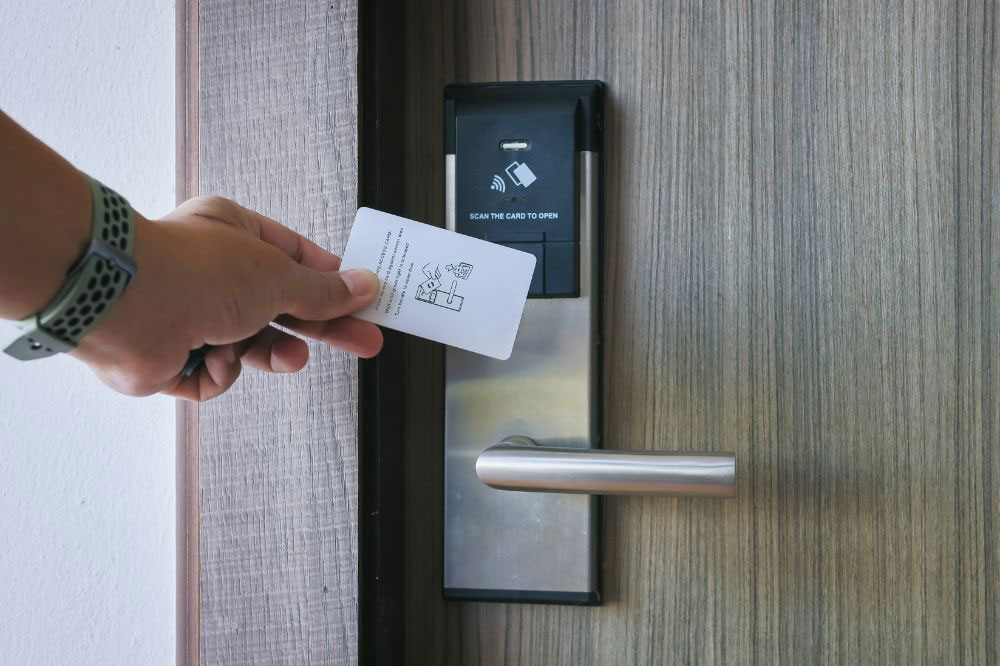
Every year, millions of people check into hotels across the country and around the world without giving a second thought to something they do every single time: tucking their key card right back into the little paper sleeve the front desk hands over.
It feels tidy, practical even. But according to the U.S. Department of State, this small and unremarkable habit is a genuine security risk that most travelers have never been warned about.
The Problem With the Key Packet
When a hotel hands over a room key, it almost always comes inside a small paper or cardboard sleeve. That sleeve typically carries the hotel’s name and, more critically, the room number.
Carry those two things together and losing your key is no longer just an inconvenience.
According to the State Department, if a key and its labeled packet are lost together, anyone who finds them has everything they need: the hotel name, the room number, and the means to walk straight in.
A spokesperson for the State Department confirmed the risk to Travel + Leisure directly: if those items are lost together, another person could identify the hotel and room associated with the key.
With that information, access to a room and everything inside it becomes straightforward.
The Fix Takes About Ten Seconds
The solution is simple. The State Department advises travelers to always carry their room key separately from the key packet that shows the room number.
When checking in, take the key out of the sleeve and keep them apart. If the room number is needed for reference later, a quick photo of the packet or a note saved in a phone’s Notes app does the job.
That information is then locked behind a phone passcode rather than sitting in plain view.
If a key gets lost: notify the hotel immediately and request that it be deactivated and replaced. Don’t wait. Time matters.
What Else to Check When You Arrive
Separating the key from the packet is one piece of a broader arrival routine that the State Department recommends.
Before settling in, take a moment to check behind curtains, under the bed, and around the room. It takes two minutes and it is the kind of habit that is easy to build.
Unusual electronics are worth flagging. Hidden cameras, though rare, have been found in rental properties and hotel rooms, and an unfamiliar device that doesn’t belong can be reported to the front desk immediately.
Curtains should close fully. A room that can be seen into from outside, especially on lower floors, is a detail worth noting before unpacking.
The State Department also recommends confirming that the room phone is connected and functional, that fire alarms and carbon monoxide detectors are in place, and that all locks are working properly.
Why This Matters More Than It Seems
None of this is complicated. But the gap between knowing something and actually doing it consistently is where most security lapses happen.
Travelers who stay in hotels frequently are often the ones most likely to skip these checks, because routine breeds familiarity, and familiarity breeds the assumption that nothing will go wrong.
The State Department’s guidance exists precisely because the risks are mundane, not dramatic, and mundane risks are the ones that catch people off guard.
A few small habits at check-in won’t guarantee a perfect trip. But they significantly reduce the chances of a preventable problem turning into a very bad day.