
Most people plan a single weekend getaway for fall foliage and hope for the best. This year, that approach might actually cost them the whole show.
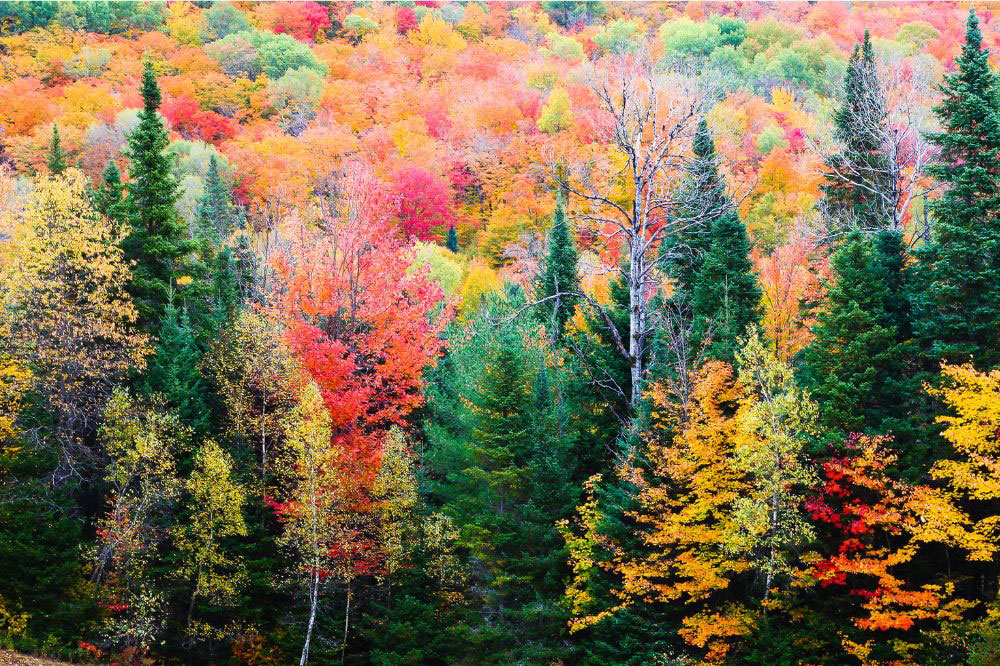
Every autumn, New England’s forests draw millions of visitors chasing the peak moment when hillsides blaze with orange, crimson, and gold.
But timing that moment is notoriously difficult, and getting it wrong usually means settling for bare branches or underwhelming brown.
According to one of the country’s leading foliage experts, 2026 is shaping up to be a genuinely different kind of year on the East Coast, and not just in terms of how beautiful the color will be.
What the Expert Is Saying
Jim Salge, a meteorologist and foliage specialist, is predicting a slow start to the 2026 season that could ultimately deliver something richer and longer-lasting than most years produce.
“A slow start could set the stage for a long, spectacular foliage season,” Salge said in a statement shared with Travel + Leisure.
Rather than hunting for a single peak weekend, he suggests the smarter move this year is to follow the color as it gradually sweeps across the region.
The conditions driving this forecast are specific. New England had a cold, snowy winter, followed by strong spring moisture and several well-timed summer rain events. That combination has set the trees up well.
Last fall, by contrast, was blunted by drought, producing a season that was notably short and muted. This year is expected to be the opposite.
If fall weather cooperates with warm, sunny days and cool nights, Salge says there is real potential for intense reds across the region.
Where to Expect the Best Color
In New England, fall color traditionally begins in the northern mountains before gradually tracking south toward the coast.
Vermont tends to lead, with peak color in the higher elevations arriving as early as late September and the colors typically rolling into southern Massachusetts and Connecticut through mid to late October.
This year, the slow build could mean that timing is more forgiving than usual, with multiple windows of strong color rather than a narrow few days to catch.
The Rest of the Country Is a Different Story
Not every region is forecast to share in New England’s good fortune.
New York and the mid-Atlantic are expected to have a mixed season, largely due to summer heat stress on the trees.
The Southeast is forecast to deliver a fairly standard autumn following a hot and humid summer, meaning nothing especially remarkable in either direction.
The Mountain West saw minimal snowfall last winter, which is likely to produce a shorter, less dramatic fall season. The Pacific Northwest is dealing with drought and heat, pointing toward similar constraints.
The upper Midwest may be the most unpredictable region of all. A combination of heat and uneven rainfall is expected to make foliage patchy and inconsistent across the area.
Looking Ahead to Winter
For those already thinking past leaf season, the forecast holds some additional news. El Niño is expected to bring wetter-than-normal conditions to the southern United States this winter, along with increased mountain snowfall in the southern Rockies.
After last year’s drought-affected conditions in parts of the country, that kind of winter could set the stage for a stronger 2027 foliage season in some of the regions falling short this year.
For now, though, the attention belongs to New England. The forests have done the preparation work over months of favorable conditions.
Whether fall delivers the warm days and cool nights needed to unlock the full color potential remains to be seen, but the foundation is there for something worth planning around.