There’s a silent code operating on every flight, and almost nobody in the passenger cabin knows it exists. A flight attendant just went public with exactly what separates the travelers crews celebrate from the ones they dread.
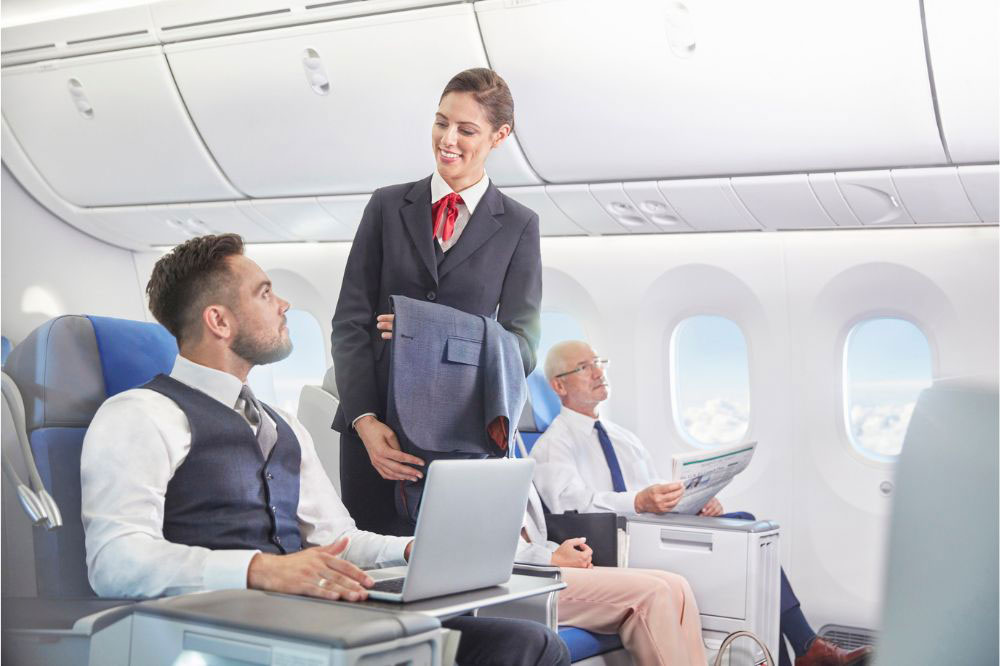
Charity Moore, a flight attendant with a fast-growing TikTok following, recently broke ranks and shared the insider knowledge that most passengers will never hear.
Her revelations are surprisingly accessible, and putting even one or two of them into practice before the next boarding call could genuinely change how a flight feels from takeoff to touchdown.
Bring a Little Something for the Crew
Moore’s first piece of advice starts before the aircraft doors even close. Showing up with a small goody bag for the cabin crew is, according to her, a near-instant way to become a favorite.
The items she recommends are low-cost and thoughtful: Starbucks gift cards, hand sanitizer, ChapStick, under-eye patches, and small snacks all make the cut.
The logic behind it is hard to argue with. Flight attendants can spend up to 14 hours in the air without ever stepping off the plane, working through meals and turbulence and a thousand passenger requests without a break.
A small token of appreciation lands differently when someone is doing that kind of shift, and the crew will remember the passenger who brought it.
The Seatbelt Sign Is Not Decorative
This one might seem obvious, but Moore made clear it is anything but universal. Staying seated while the seatbelt sign is illuminated is something the crew genuinely notices, and they appreciate it more than most passengers would guess.
Moore acknowledged that real emergencies happen and that nobody should suffer through discomfort unnecessarily. But as a general rule, respecting the sign signals to the crew that a passenger is switched on, cooperative, and not going to create problems mid-flight.
Good Manners Are Rarer Than They Should Be
Moore did not hold back on this one. Basic courtesy during meal and drink service is less common than it ought to be, which means it registers immediately when a passenger actually demonstrates it.
Saying “please” when ordering a ginger ale rather than simply announcing it makes a genuine impression. So does removing headphones when a crew member approaches and keeping the aisle clear while the service cart is moving through the cabin.
For coffee drinkers, there is a specific and somewhat unexpected opportunity here.
Specifying exactly how the coffee should be prepared, right down to the number of creamers and sugars, apparently delights flight attendants enough that Moore joked they might slip a little Bailey’s into the cup as a quiet reward.
It is a small detail, but it signals awareness and consideration rather than passive entitlement.
Ask for Help, Don’t Reach Out and Grab
If assistance is needed, Moore’s preference is unambiguous: use words, not hands. Reaching out to physically touch a flight attendant to get their attention is a habit she would be happy to see disappear entirely from air travel.
Finding a seat falls into the same category of basics that turn out not to be so basic in practice. Checking a boarding pass for the assigned seat number before stepping onto the plane, and then actually sitting in that seat, might sound like the floor-level minimum.
But Moore explained that a single passenger in the wrong seat can trigger a cascade of confusion that the crew then has to untangle while everyone else waits.
What the Crew Actually Thinks
For all the practical advice, Moore’s closing point was the most revealing. The crew is not running a silent scoreboard or privately resenting the passengers in their cabin. They care about the people on board, genuinely, even on the long days.
“We love you guys regardless,” she said. The job is one she loves, and that warmth carries through even the most chaotic flights.
The gestures outlined above are not strategies for gaming the system or angling for a complimentary upgrade.
They are simply ways of acknowledging that the people responsible for passenger safety and comfort at 35,000 feet are human beings who notice, every single time, when they are treated like it.