
Something big is quietly rolling out across American airports right now. And whether it saves you time or costs you money depends entirely on what you know before you fly.
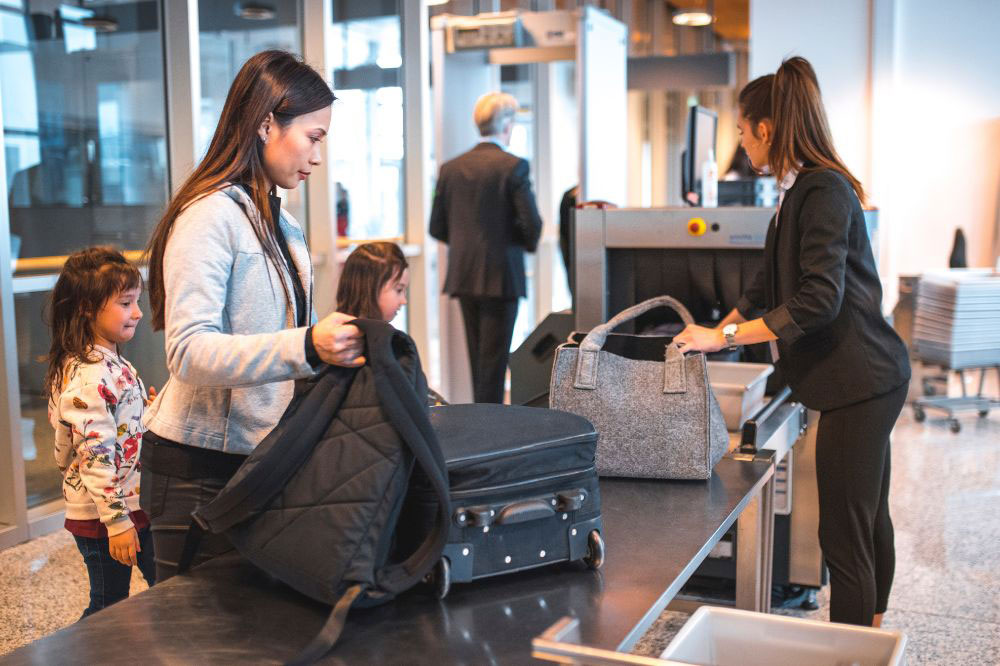
The Transportation Security Administration is launching a new program called TSA Gold+, and it could reshape the way security screening works at airports across the country.
The initiative is being introduced as part of the agency’s 25th anniversary, and while it is not something individual travelers can sign up for, it is already starting to affect the airport experience in ways worth understanding before your next trip.
What Is TSA Gold+ and Why Does It Matter?
TSA Gold+ is an expansion of something called the Screening Partnership Program, which already uses private vendors to handle security screening at 20 airports nationwide.
The new Gold+ tier takes that concept further, allowing airports to opt in to advanced security solutions powered by public-private partnerships, while the TSA retains federal oversight to ensure standards are met or exceeded.
Crucially, this comes at no extra cost to airports, and the TSA federal security director stays in charge regardless of which private company is brought in to run the checkpoints.
You have probably already walked through a Gold+-adjacent setup without realizing it.
San Francisco International Airport uses private security contractor Covenant Aviation Security, and during the most recent partial government shutdown, those private employees kept getting paid, meaning fewer delays at SFO while other airports ground to a halt.
How This Affects Your Time at the Airport
For most travelers, the day-to-day impact will be felt through faster checkpoint technology and more consistent staffing. The goal is deployment of advanced screening tools at a pace the TSA alone has historically struggled to match.
That said, TSA Gold+ is an airport-level program, not a passenger-facing one. Individual travelers cannot enroll in it or access it directly. What travelers can control is whether they are enrolled in the programs that already make security faster.
TSA PreCheck remains the most accessible option. It costs as little as $76.75 for five years and allows travelers to keep laptops and small liquids in their bags, shoes on their feet, and light jackets on their shoulders when going through screening.
Several travel credit cards will reimburse that enrollment fee entirely, making it essentially free for many people.
There is also a newer option within PreCheck worth knowing about: TSA PreCheck Touchless ID, which uses biometric scanning to verify identity without fumbling for a boarding pass or ID card.
Clear Plus works differently. Rather than giving access to a dedicated PreCheck lane, Clear uses biometric technology to skip the identity verification queue entirely, moving members straight to the front of the document check line.
The company is currently rolling out automated eGates at select terminals, including at JFK, to speed up that process even further. The cost is $209 per year, making it a pricier option, though it stacks with PreCheck for maximum speed through the checkpoint.
What Travelers Should Do Now
The expansion of private security partnerships under TSA Gold+ signals that airports are being given more flexibility to modernize quickly. That is generally good news for wait times, but the travelers who will benefit most are the ones already enrolled in PreCheck or Clear.
If a five-minute security line sounds better than a forty-five minute one, now is a good time to sign up.