
There’s a souvenir trend sweeping social media that nobody saw coming, and airport security has some very specific feelings about it. What travelers are sneaking through checkpoints might just change how you pack forever.
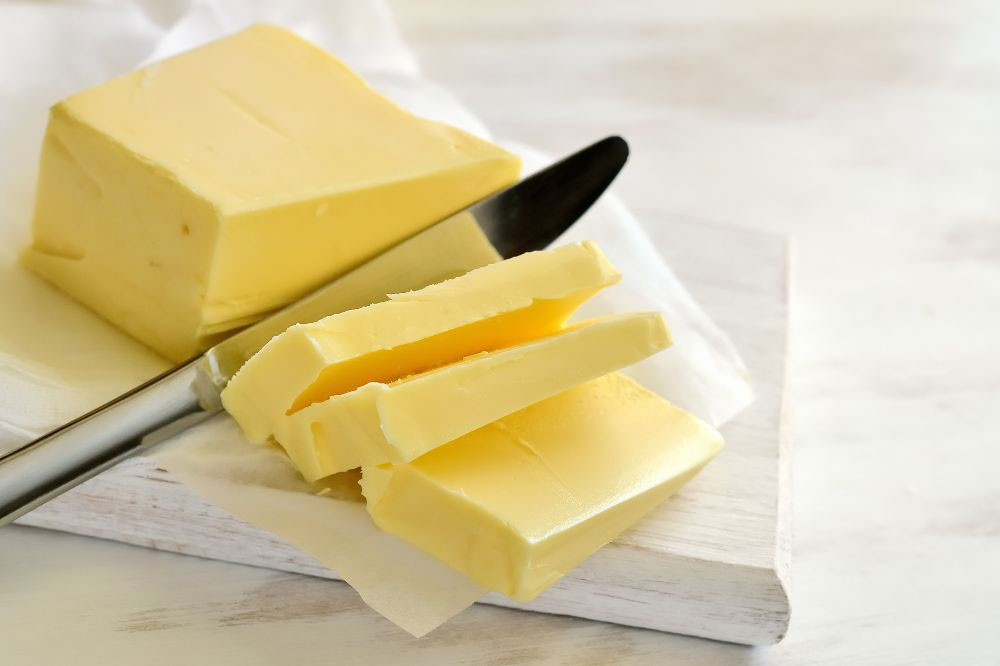
Bringing back artisan butter from abroad has quietly become one of the most talked-about travel obsessions online.
Footage of travelers hauling blocks of Bordier from Paris or specialty cultured butter from European markets has racked up serious attention, with people comparing vacuum-sealing techniques and debating carry-on versus checked bag strategies.
It sounds absurd until you taste the difference, and then it makes complete sense.
But here’s where it gets complicated. Butter exists in a gray zone that the TSA has not historically been enthusiastic about clarifying, and whether your prized purchase makes it home intact depends on a few key decisions made well before you reach the security line.
Why Butter Is a Problem for the TSA
The TSA’s liquid rule requires that all liquids, aerosols, gels, creams, and pastes in a carry-on be 3.4 ounces or less per container, all tucked into a single quart-sized bag. That rule has been around long enough that most travelers know it by heart for things like shampoo and toothpaste.
Butter, though, sits in uncomfortable territory. At room temperature it becomes spreadable, and the TSA considers spreadable substances to fall under the liquid category.
A TSA spokesperson has confirmed the official position: since butter at room temperature can be spread, each container is limited to 3.4 ounces and must go into the standard quart-sized bag, with one bag per passenger.
Here’s the problem with that. A single standard stick of butter already exceeds 3.4 ounces. That means a carry-on strategy, taken at face value, leaves very little room for souvenir satisfaction.
What Actually Happens at the Security Line
Travel + Leisure writer Elliott Harrell tested this firsthand, keeping butter on ice until reaching the security checkpoint, then disposing of the partially melted ice (which had become subject to the liquid rule) before sending the bag through. The butter was solid but not frozen.
It passed through without issue.
That outcome, however, is not guaranteed. Whether room-temperature or semi-chilled butter gets waved through ultimately comes down to the individual TSA agent’s judgment.
The official recommendation from the TSA spokesperson was unambiguous: freeze the butter, or pack it in checked baggage. Relying on a lenient agent is a risk, and one worth understanding before you pack your carry-on at a Paris fromagerie.
The Best Way to Get Butter Home
Vacuum sealing is by far the most popular method among travelers who’ve done this before. Some larger specialty grocery stores abroad offer this as a service, and it creates a leak-proof seal that protects everything else in your bag if the butter starts to soften in transit.
If vacuum sealing isn’t an option, a sturdy zip-lock bag or even the plastic liner from a hotel ice bucket will do a reasonable job of containing any mess.
Refrigerate the butter until just before leaving for the airport. Cargo holds on commercial aircraft are temperature-controlled, so checked butter should remain stable for the flight.
The bigger risk is ground time, particularly during summer travel when bags can sit on a hot tarmac between flights. If that’s a concern, fall travel is genuinely a better time to plan a butter haul.
And if it does melt? Food safety experts now say butter is safe at room temperature, though the flavor and texture can degrade over time. It won’t be dangerous, just potentially less special than the product that originally caught your eye in that Parisian market.
The Bottom Line
Frozen butter in checked baggage is the safest and simplest approach. If checked baggage isn’t an option, freezing and carrying it on gives you the best chance at a smooth experience, though nothing is guaranteed once it’s up to an individual agent’s discretion.
The butter trend is not going away. If anything, the lengths people will go to transport good dairy across international borders suggests that for food lovers, this particular souvenir is worth the logistical effort.