Learning even a bit of the local language doesn’t just help you order food or ask for directions, it fundamentally changes the entire way you experience a place and connect with the people you meet. From unlocking hidden opportunities to creating genuine connections that would never happen otherwise, here’s why picking up a new language might be the best travel investment you’ll ever make.
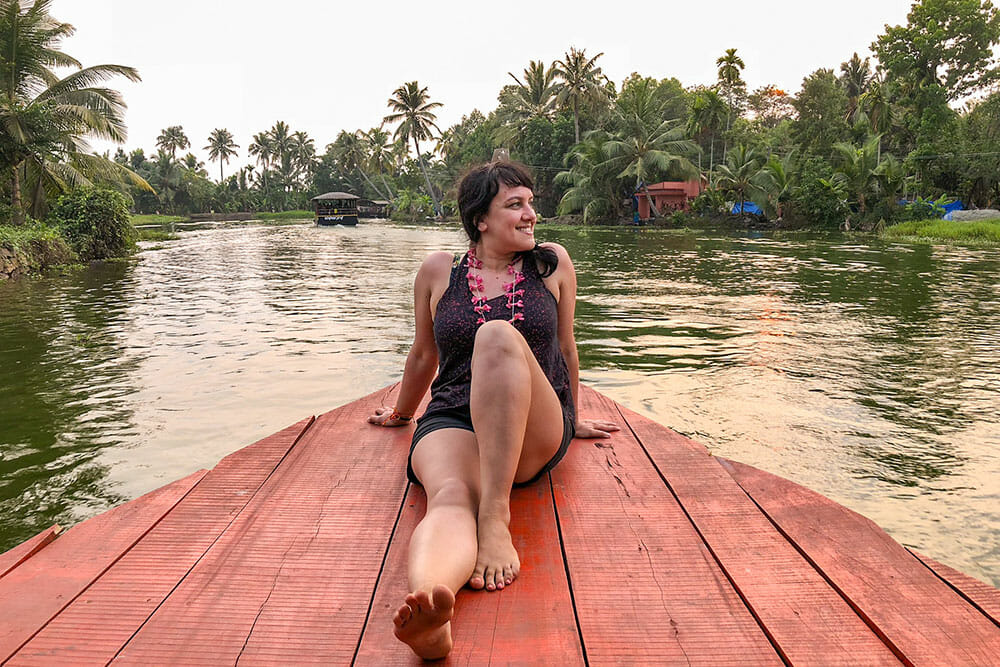

One of the many benefits of travelling, is that it opens up a new world to us. It makes us realise that our way of life is not the only way, and there are many different outlooks all over the world. But it also teaches us that despite these differences, there are many similarities too.
A great way to understand both these differences and similarities is through language. Learning the language of a destination you are planning to travel to will open new doors and opportunities you’d never think possible.
It will not only help you appreciate a new culture, but it will completely change the way you travel. Keep reading to find out how.

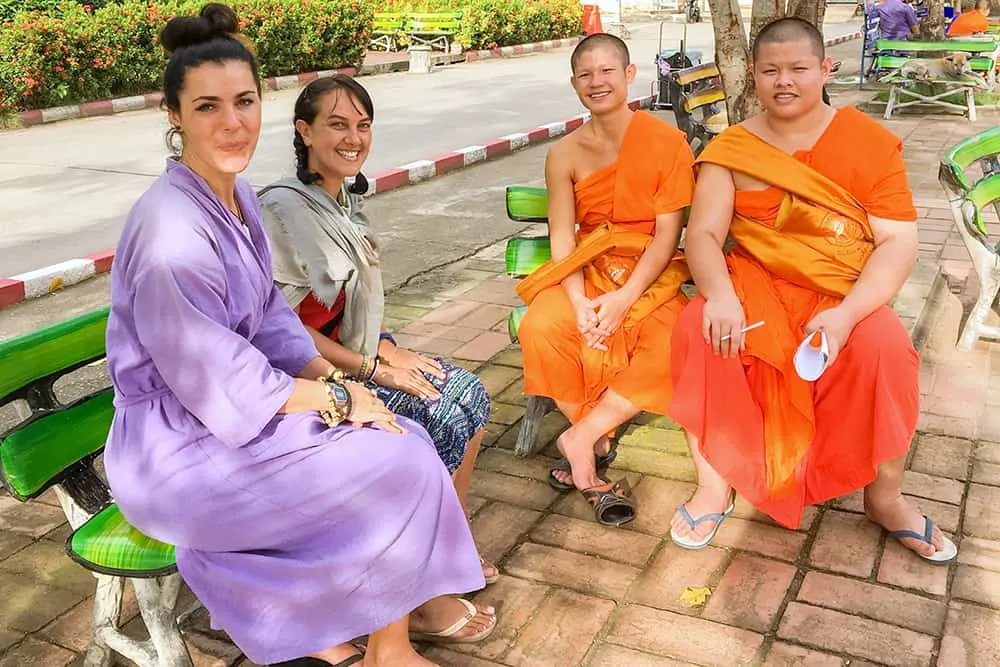
Table of Contents
How learning a new language will change the way you travel
You immerse yourself into a new culture
I am a great advocate for responsible travel. One of the best ways to practice responsible tourism is by becoming an active part of the community you are visiting, as opposed to just being a spectator.
By learning a new language, you can immerse yourself into a new culture with more ease, and become more active in local customs. This, of course, has a positive impact on the local community.


In addition, immersive travel creates memorable experiences that will stay with you forever. And particularly when you have a powerful tool such as the ability to speak a foreign language to immerse yourself even deeper in a new culture.
I recall the time when I spent three weeks in Argentina and I visited the famous Gaucho city of San Antonio de Areco during their annual Gaucho festival. Speaking Spanish really helped with getting around and finding out about the different events happening.
But what really stayed with me was that I got talking to a group of local people, and they invited me to join their Gaucho party. It’s one of the things I remember the most about that trip.
I still remember it today as a great experience that I wouldn’t have had if had I not spoken the local language.


TOP TIP: When choosing a language course, make sure that it offers an immersive method of learning.
Rosetta Stone is a great example of a course that uses your own natural language-learning abilities by connecting a new language with meaning in real-life contexts, empowering you to think in your new language.
ROSETTA STONE is offering a 50% DISCOUNT to my readers, including LIFETIME ACCESS TO ALL LANGUAGES for only £174.50
You get to know local customs better
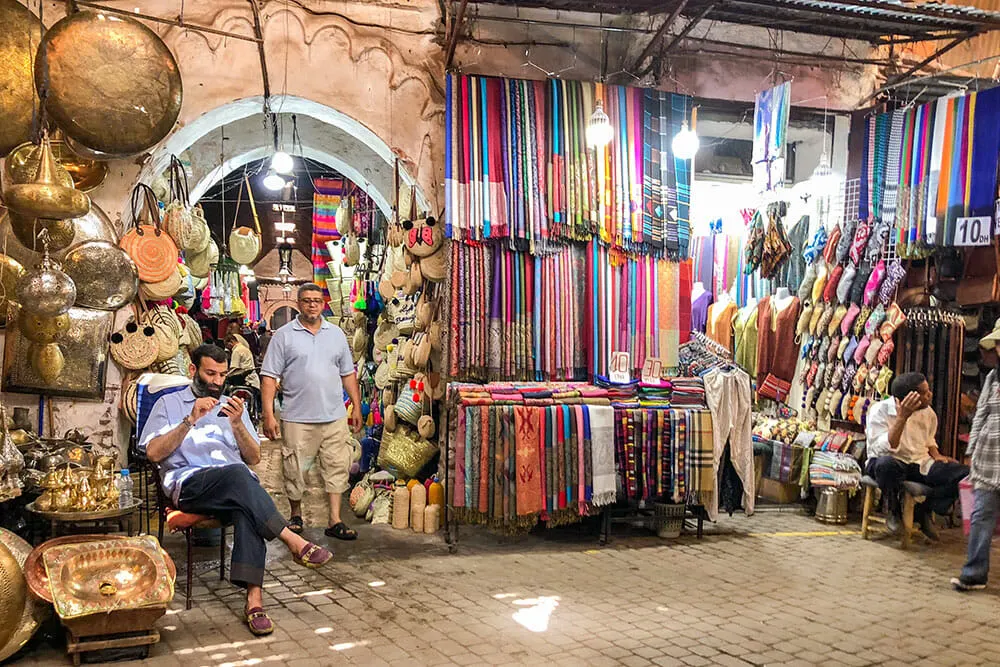
We understand and accept that every culture has different customs, but do we really understand those customs? Believe it or not, learning a foreign language can give us a great insight into them.
Whether it’s a religious festival or the way people interact with each other, we get to experience the intricacies of a new culture when we travel. But having the ability to have a conversation with someone whose culture is different to ours can give us a different perspective.

Austria is a country of breathtaking mountains, gorgeous fairy-tale towns like Feldkirch, and grand cities like Vienna.
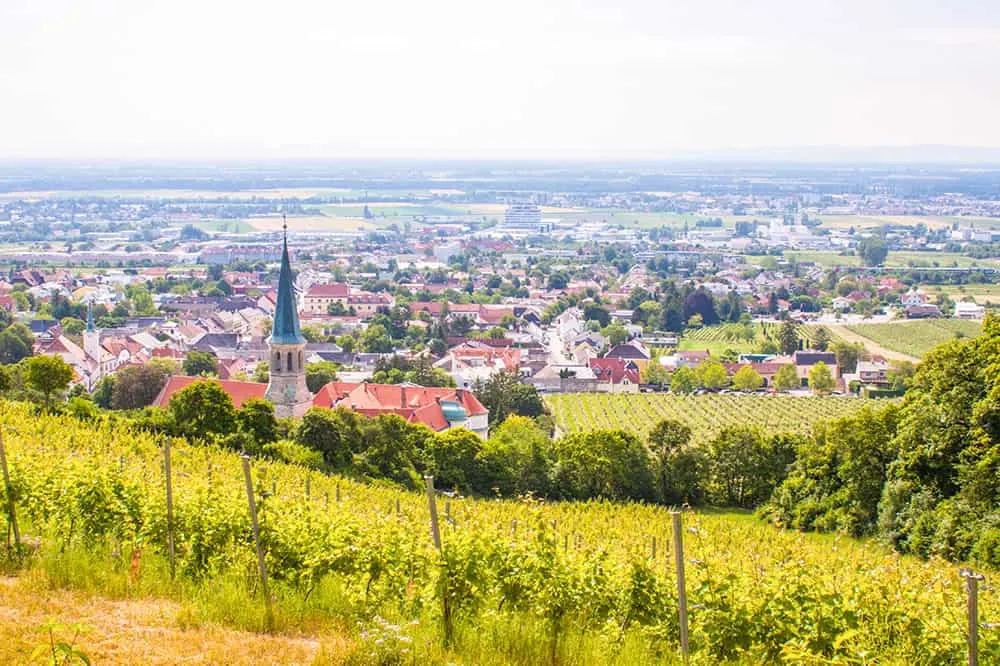
While spending time in Austria many years ago, I learnt that Austrians enjoyed visiting Heurigen or Buschechenken, traditional taverns where local winemakers serve surplus wine from that year’s harvest. It is one of the best things to do in regions like Carinthia in the south of the country.
This is how I discovered one of my favourite wines, Spätrot-Rotgipfler, produced in the off-the-beaten-path town of Gumpoldskirchen. It is not a touristy destination, so I am sure I would have never found it if I didn’t speak German.

What is important to bear in mind, is that real life conversations are very different from those learnt in a classroom. That’s why it’s important to choose a course that will give you the ability to have conversations in the real world.
Not only this, but through learning a new language this way, you get to learn about the nuances of a new culture that you may have otherwise missed.
You can make long-lasting connections
Travel is all about having new experiences and making long-lasting connections, whether it’s with fellow travellers or people within the local community you’re visiting.

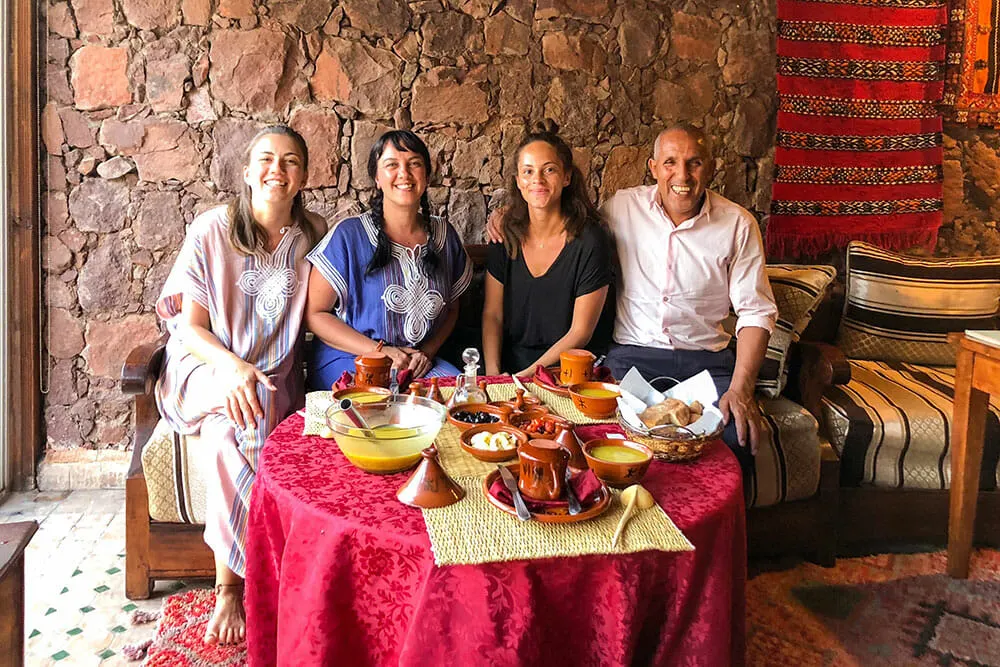
The latter gives you the opportunity to practice the local language, and as we know, the best way to learn is by immersing yourself in the local culture and language. Rosetta Stone’s way of learning is based on this principle, which has been applied to their Dynamic Immersion method of learning.
ROSETTA STONE is offering a 50% DISCOUNT to my readers, including LIFETIME ACCESS TO ALL LANGUAGES for only £174.50
But in the process of practising the language, you create the opportunity to make more meaningful connections, which have the potential to become life-changing experiences and even lifelong friendships. This is why learning a language is one of the top things to do before 30.
I am still friends with people I have met in my travels, thanks to the fact that I was able to speak their language. Interacting with people in their mother tongue provides us with enriching experiences that we would often miss otherwise.
It makes you feel more confident
In the same way that exciting travel adventures are a great way of getting out of your comfort zone, learning a new language and putting it into practice is also a bit of a challenge. It puts you in situations you would otherwise not find yourself in, and it helps you grow as a person.


Ultimately, learning a new language makes you feel more confident when travelling – particularly if you enjoy travelling solo, where you rely on your ability to communicate with those around you.
So far, I have only had positive experiences from being able to speak a foreign language, so it’s something I strongly recommend for anyone planning to make the most of their travels.
What is the best language course for travel lovers?
I may have mentioned in my previous posts that I studied Translation and Interpreting at university, so languages have always been a big part of my life. I always try and learn, at the very least, a few words before I visit a new destination.

I studied German as part of my university course, and when I spent 2 days in Munich last year I realised that I’d forgotten a lot of it. So I decided it was time for me to brush up on my German and have recently picked it up again with a Rosetta Stone course.
I chose to join the program that gives you lifetime access to 24 languages, and I’ve already made a plan to refresh my Italian and Portuguese once I get to a level that I feel comfortable with again in German.
ROSETTA STONE is offering a 50% DISCOUNT to my readers, including LIFETIME ACCESS TO ALL LANGUAGES for only £174.50
Rosetta Stone was recommended to me by friends who have used it and really enjoyed it. Plus I’ve known the brand for many years and I know them to be very reputable – it has won the Best Full Featured Language Learning Course award 8 years in a row, so I thought it was worth a try.
And I’m glad I did. What I love about Rosetta Stone is that it prepares you for real-world conversations in a new language using the Dynamic Immersive method of learning, which I mentioned earlier.


You can choose your plan based on your current language level, and whether you want to learn for travel, work, family. It’s structured in sessions of 30 minutes a day, but you can do more or less time to suit you.
The exercises cover everyday situations, vocabulary and pronunciation, which in my case is one of my biggest challenges with German. The course makes these challenges a bit easier though.

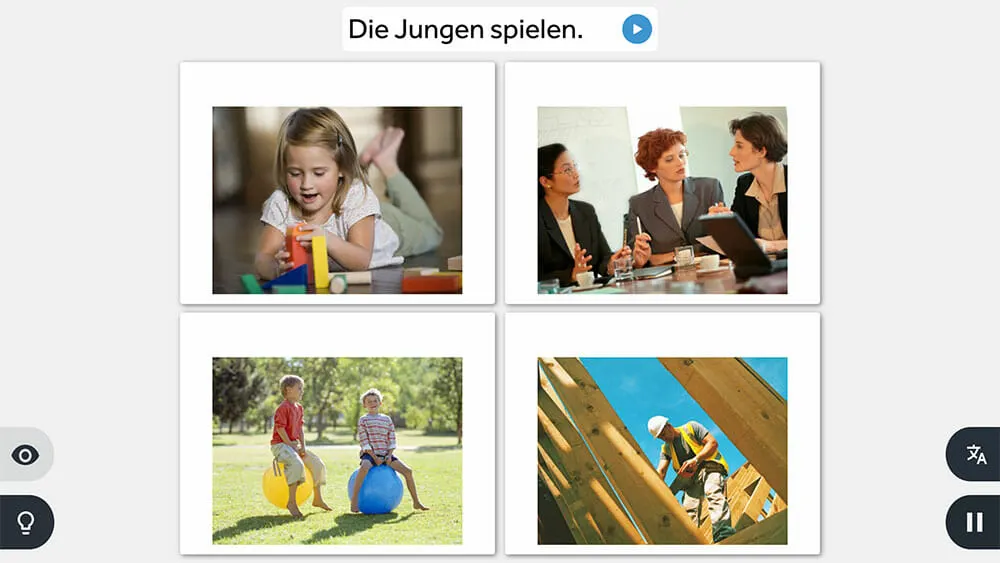

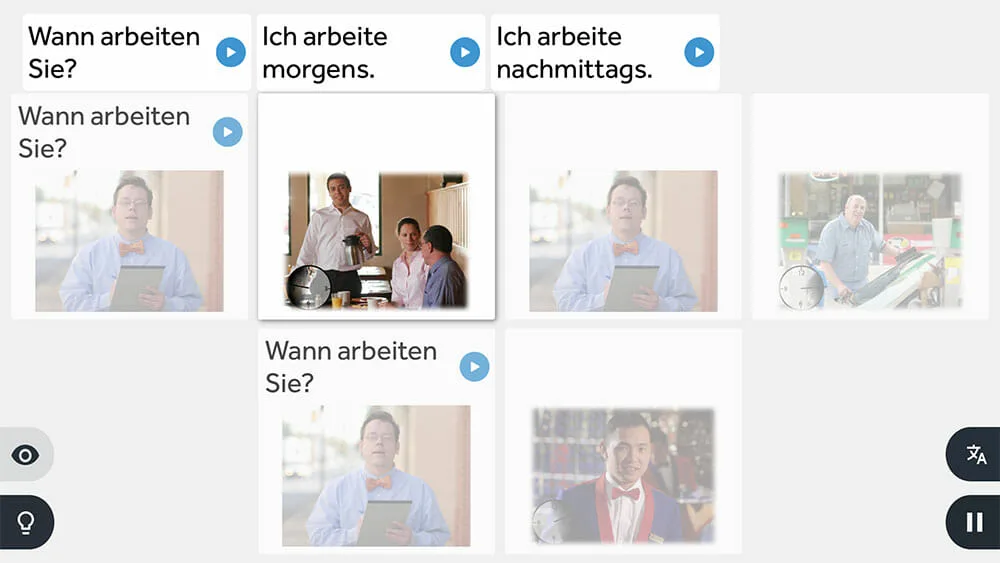
You can access the course on your laptop or on your phone through the Rosetta Stone app, and you could even do some of the exercises while on the go. It is really intuitive to use and I love how much you learn and how much progress you make without even realising.
After two months of German, I’m already feeling confident that I can have a (basic) conversation with a German speaker again.
This is exactly what I need in order to get the most of my travels and create unforgettable experiences, and I can’t wait to see where I’ll be with it in a year’s time!
I hope this article about how learning a new language will change the way you travel, will give you enough food for thought and encourage you to take the plunge as I did.
Like this post? Pin and save for later


Disclosure: This post has been created as a partnership with Rosetta Stone. As always, all views are my own.