Something is quietly destroying millions of American homes, and the city at the top of the list might already be on your travel bucket list.
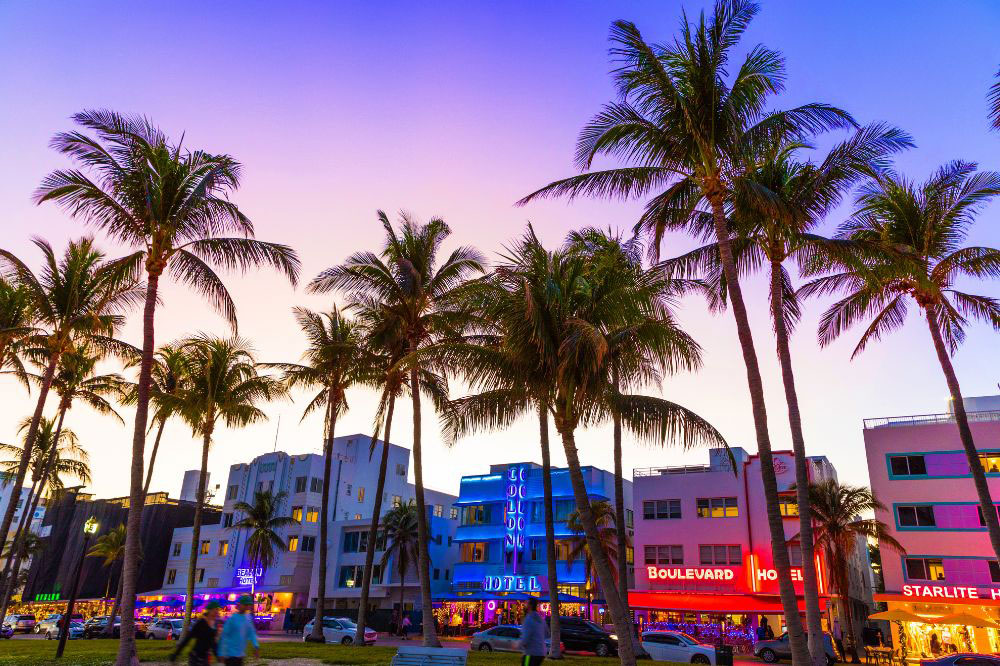
Miami is one of the most visited cities in the United States, famous for its Art Deco architecture, white sand beaches, and year-round sunshine. But behind those sun-drenched facades, something far less glamorous is eating away at the structure of the city itself.
For the fourth year running, Miami has claimed the top spot on pest management company Orkin’s annual ranking of the worst U.S. cities for termites, and the reasons why are directly tied to the same tropical climate that makes it such a draw for travelers.
Why Miami Keeps Topping This List
Heat and humidity are termites’ best friends. Miami’s warm, sticky climate creates near-perfect conditions for termite colonies to stay active well beyond the seasons when cooler cities get a natural reprieve.
It’s a problem that compounds year after year, and 2026 has brought no change to that trend.
Florida’s dominance on this list is striking. Four of the top ten worst cities for termites in the country are located in the Sunshine State. Tampa comes in at number three, Orlando at number five, and West Palm Beach at number seven.
If you own property anywhere in Florida, this data should be on your radar.
The Scale of the Damage
Shannon Sked, an entomologist and national technical director at Orkin, put the financial toll into stark terms.
Termites cause an estimated billions of dollars in damage to U.S. homes every single year, and the most alarming part is how much of that destruction happens completely out of sight. By the time visible signs appear, structural elements may already be compromised.
A single mature termite colony can contain anywhere between 60,000 and one million individual insects. There are roughly 50 active termite species in the United States, and they typically measure between a quarter and half an inch in length, ranging in color from white to light brown. They are frequently mistaken for ants, which can delay treatment and give colonies more time to spread.
It’s Not Just Miami
Los Angeles ranked second on Orkin’s list, with Washington, D.C. taking fourth place. New York City, which came in at number nine, recorded the largest year-over-year jump among major cities, a sign that the problem is moving northward.
The Orkin rankings are based on the number of residential termite service treatments carried out in owner-occupied homes between January 15, 2025 and January 16, 2026.
Academic researchers are also sounding the alarm, particularly about Florida.
A recent study from the University of Florida found that invasive termite species are spreading across the state faster than previously understood, reaching communities that weren’t expected to be affected for years.
Thomas Chouvenc, a UF associate professor of urban entomology, explained that inconsistent reporting across Florida meant the spread of these invasive species was underestimated for decades.
That gap in data has left many communities unprepared for what’s already happening to their structures.
What Homeowners and Property Investors Can Do
Whether visiting Miami or owning property there, awareness goes a long way. Orkin recommends early inspections and preventative treatments as the most effective line of defense, along with a set of practical maintenance steps:
- Clear gutters and drainage areas to prevent moisture buildup
- Repair any leaks promptly
- Seal cracks or gaps in walls and foundations
- Remove rotting wood or mulch piles from around the property
- Install screens on vents and windows
- Inspect wooden structures on a regular basis
None of these steps are glamorous, but in a city where termites have reigned unchecked for four consecutive years, they could save a property owner a significant amount of money and heartache.