
Something happened in the Himalayas that no one in the outdoor travel world is talking about loudly enough. The U.S. government quietly changed the rules on visiting one of the most bucket-list destinations on the planet.
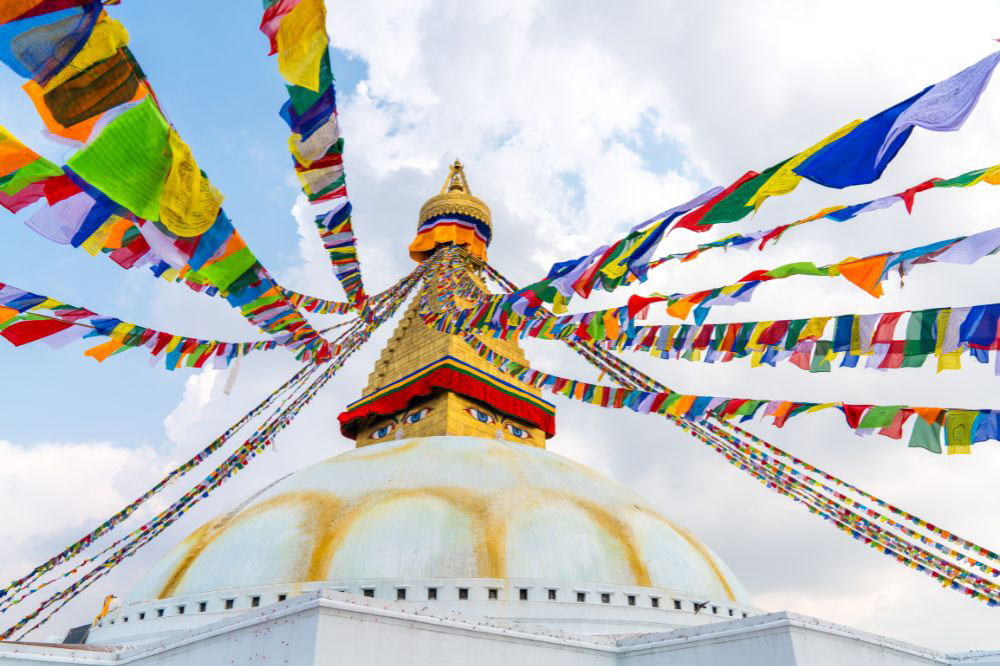
Nepal has long sat at the top of the list for American travelers with serious mountains in their eyes. It is the home of Everest, the highest point on Earth at over 29,000 feet, and a country that draws trekkers, climbers, and luxury seekers in equal measure.
But on March 31, 2026, the U.S. Department of State updated its official travel advisory for Nepal, bumping it to a Level 2 designation.
That means the government is now asking Americans heading there to “exercise increased caution.” Here is everything worth knowing before booking those flights.
Table of Contents
What the Level 2 Advisory Actually Means
A Level 2 is the second-lowest classification in the State Department’s four-tier system, sitting just above the baseline Level 1.
It is not a do-not-travel warning, and it is not a sign that Nepal is off the table. What it does signal is that conditions exist that travelers should be aware of and plan around.
The advisory was issued in response to civil unrest. Nationwide demonstrations that began in September 2025 were the primary trigger. The State Department has since confirmed those protests have wound down and the overall security situation is now stable.
That said, the advisory makes clear that demonstrations and localized unrest can still occur, particularly in urban areas, and that these situations can escalate quickly. The guidance is straightforward: stay away from large crowds and follow instructions from local authorities.
Medical Preparedness Is Not Optional Here
One area where the State Department is emphatic is healthcare. Medical services in Nepal are limited outside of the capital, and even facilities in Kathmandu come with caveats.
Hospitals there tend to be crowded, may lack certain equipment or medications, and will typically ask for payment upfront before providing treatment. The Nepali government does not cover medical costs for foreign nationals.
The practical implication for American travelers is clear. Bring any prescription medications needed for the duration of the trip plus extra. More importantly, purchase travel insurance that includes medical evacuation coverage.
In a country where trekking routes stretch into genuinely remote terrain, the ability to be evacuated in a medical emergency is not a luxury consideration.
The CDC has also flagged Nepal for several health-related vaccinations travelers should consider before departure. Among them is cholera, with the agency noting that active transmission is widespread across the country.
The reassuring detail is that cases among travelers remain rare, but the vaccination is still worth discussing with a doctor ahead of the trip.
The New Everest Rules That Change Everything for Climbers
For anyone with Everest on their radar, 2026 has brought significant regulatory changes that every prospective climber needs to understand before submitting a permit application.
Nepal has introduced requirements that go beyond what was previously in place. Climbers must now demonstrate prior high-altitude experience and obtain specific health certifications before being approved to attempt the summit.
These are not bureaucratic formalities. They reflect a broader effort by Nepal to reduce the number of underprepared climbers on the mountain, which has historically contributed to overcrowding and dangerous conditions.
There is also a new financial component. A $4,000 fee is now required per climber, directed toward the Environment Protection and Mountaineers’ Welfare Fund.
This money is tied to conservation and support for the local mountaineering community rather than being a standard permit cost.
Nepal Beyond the Summit
Not every traveler heading to Nepal is chasing Everest. The country has developed a growing luxury hospitality scene that has been drawing a different kind of adventurous traveler.
Properties like the Shinta Mani Mustang, a 29-suite lodge built with locally-sourced stone, slate, and wood with sweeping mountain views, offer an entirely different entry point into the Himalayas.
Trekking excursions and personalized spa programs sit alongside each other on the activities menu.
The broader point is that Nepal rewards different levels of ambition. Everest base camp is achievable for fit trekkers without technical climbing experience.
The Annapurna Circuit draws thousands of hikers each year. And the cultural richness of Kathmandu, Pokhara, and the surrounding valleys exists entirely independent of the peaks above them.
Before Any International Trip: Sign Up for STEP
Whether Nepal is the destination or anywhere else abroad, the State Department’s Smart Traveler Enrollment Program is worth five minutes of anyone’s time.
STEP is free to join and links American travelers to the nearest U.S. embassy or consulate.
It delivers real-time alerts and advisory updates directly, and in the event of a genuine emergency, whether a natural disaster, civil incident, or medical crisis, it can be a direct line to assistance that would otherwise be harder to access.
The bottom line on Nepal is this: the Level 2 advisory is not a reason to cancel plans or avoid the country. It is a reason to go in prepared, travel smart, and take the logistical steps that turn a great adventure into a safe one.