Thousands of American travelers are fined at U.S. customs every year for something so ordinary it seems almost absurd. The worst part? Most of them had absolutely no idea they were doing anything wrong.

Bringing home a taste of your travels is one of the great joys of international trips. A jar of olive oil from Sicily, a tin of spices from Marrakech, a bottle of hot sauce from Mexico City. Food souvenirs carry memories in a way that fridge magnets simply cannot.
But the line between what is allowed through U.S. customs and what will get a traveler slapped with a fine is far less obvious than most people think.
U.S. Customs and Border Protection, known as CBP, has strict rules about what can and cannot enter the country, and the consequences of getting it wrong range from losing your Global Entry membership to facing fines of up to $500,000.
Here is everything travelers need to know before landing back on American soil.
The $300 Rule Nobody Talks About
All agricultural items must be declared to U.S. customs. This includes food, seeds, and even handicrafts made from straw.
That is a broader category than most people realize.
The fine for not declaring agricultural items is $300 for a first offense and $500 for a second. The item does not have to be something exotic.
A piece of fruit grabbed from the plane tray, a bouillon cube tucked into a carry-on, or a bundle of fresh herbs picked up at a market abroad can all trigger a penalty.
The good news is that declaring something does not automatically mean losing it.
The U.S. Department of Agriculture’s Animal and Plant Health Inspection Service confirms that as long as travelers declare all agricultural products they are carrying, they will not face any penalties, even if an inspector determines those items cannot enter the country.
The penalty is not for having the item. It is for hiding it.
What Is Actually Allowed Through U.S. Customs
Plenty of food souvenirs make the journey home without a problem. The following items are permitted through U.S. customs:
- Condiments, vinegars, and oils
- Packaged sealed spices
- Honey, coffee, and tea
- Dry snacks including crackers, cookies, and chips
- Candy and baked goods
- Butter
- Solid hard or soft cheeses (with the exception of those containing meat or those that are liquid, such as ricotta)
- Seafood
So that wheel of aged Gouda from Amsterdam? Totally fine. The bag of artisan coffee from a Colombian roaster? No problem at all.
What Must Stay Behind
Fresh fruits and vegetables are almost always prohibited from entering the United States because of the potential pest and disease risks. This includes fresh fruits or vegetables given to travelers on an airplane or cruise ship.
The items that are never permitted through U.S. customs include:
- Fresh fruits and vegetables
- Plants and seeds
- Meat and anything containing meat products, including soup mix and bouillon cubes
A detailed list of what foods are and are not allowed into the U.S. is available through the USDA’s Animal and Plant Health Inspection Service.
A note on regional exceptions: Travelers coming from Canada by land can bring most foods, including fruits and vegetables.
People traveling from Puerto Rico and the U.S. Virgin Islands to the contiguous U.S. and Alaska should consult the relevant customs list, and the same applies to travelers flying from Alaska and Hawaii to the lower 48 states.
How to Actually Declare Food at the Border
The process is simpler than most people expect.
Travelers enrolled in Global Entry who use the app can declare any items they are bringing in, including permitted foods. Those who prefer to go directly to the facial recognition Global Entry kiosks can tell the officer on the way out if they have anything to declare.
Travelers not enrolled in Global Entry can use the Mobile Passport app, which has a section for declarations. For those who prefer not to use any app, simply telling the immigration officer who checks passports is sufficient. That officer may ask, “Do you have anything to declare?”
Honesty at this stage costs nothing. Silence can cost quite a lot.
What Happens If Something Goes Undeclared
Travelers may receive a warning or a fine of $300 for not declaring food items. The outcome is entirely at the discretion of CBP.
The stakes are higher for Global Entry members. A CBP spokesperson confirmed that if a traveler with Global Entry fails to declare required items, their Global Entry membership may be revoked.
Violations of U.S. customs laws, including failure to declare items, can result in suspension or termination of membership.
For travelers who do not have Global Entry and receive a warning or fine, that incident may come up if they later apply for the program. An interviewer may ask about it directly.
Those who forget to declare something and receive a warning or fine may also find themselves going through additional customs screening the next time they fly back to the U.S.
The fix is straightforward. Before leaving the plane, check bags one final time for any food items. If there is fruit left over from the flight, hand it to a cabin crew member before deplaning.
Traveling With Prescription Medication
U.S. citizens do not need to declare their own prescription medication when going through customs. Non-U.S. citizens should carry no more than a 90-day supply of any medication, ideally in its original prescription container.
If the container is not available, a prescription or doctor’s note written in English should be brought along.
How Much Cash Can Be Brought Into the U.S.?
Travelers can bring up to $10,000 into the U.S. without declaring it. CBP states that failure to declare amounts above that figure can result in a fine of up to $500,000.
That is not a number worth testing.
The Souvenirs That Surprise People
Beyond food, there are a few other categories of items that catch travelers off guard at the border.
Art and cultural treasures
Most pre-Columbian sculptures or murals from Central or South American countries are not permitted into the U.S. The same restriction applies to terra-cotta statues from Mali, Khmer sculptures from Cambodia, and Indigenous Peoples artifacts from Canada.
Straw handicrafts
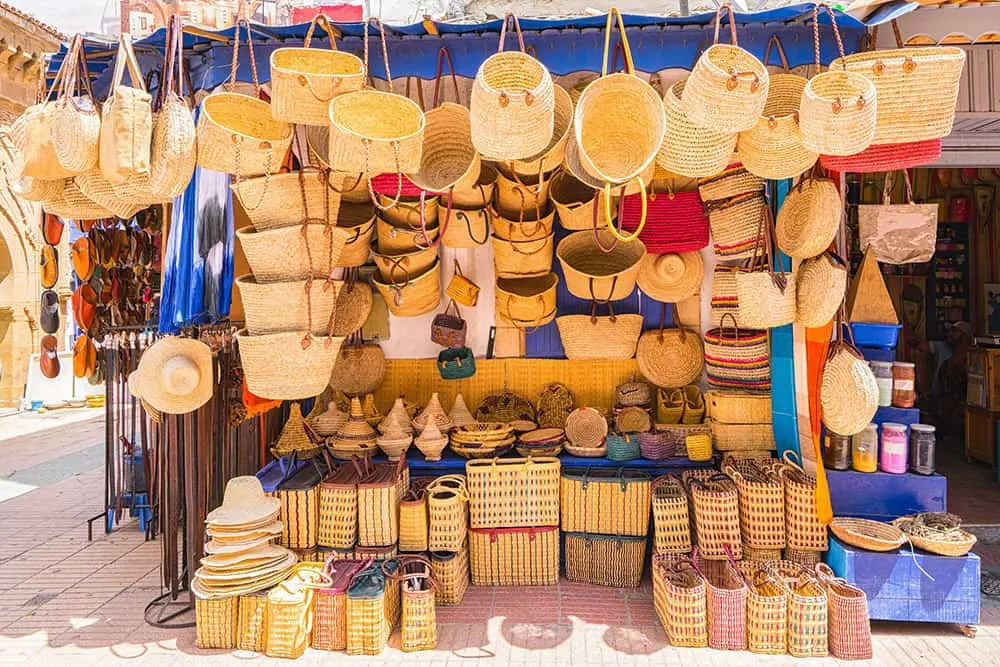
That handwoven hat picked up at a market in Colombia? It needs to be declared. CBP requires that every plant or plant product, including handicraft items made with straw, be declared to an officer so they can be inspected for pests.
Duty-free alcohol
Travelers are permitted to bring in one American liter of alcohol per person without paying customs duty. Anything above that threshold is subject to import taxes.
The rules around U.S. customs are not designed to ruin a vacation. They exist to protect the country’s agricultural system from invasive species and disease.
Understanding them before travel, rather than discovering them at the baggage carousel, is the difference between breezing through the arrivals hall and starting a trip home with an unexpected bill.