
The summer heat wave sweeping across the American Southwest isn’t just uncomfortable on the ground. It’s quietly changing what happens on the runway, and some travelers are finding out the hard way.
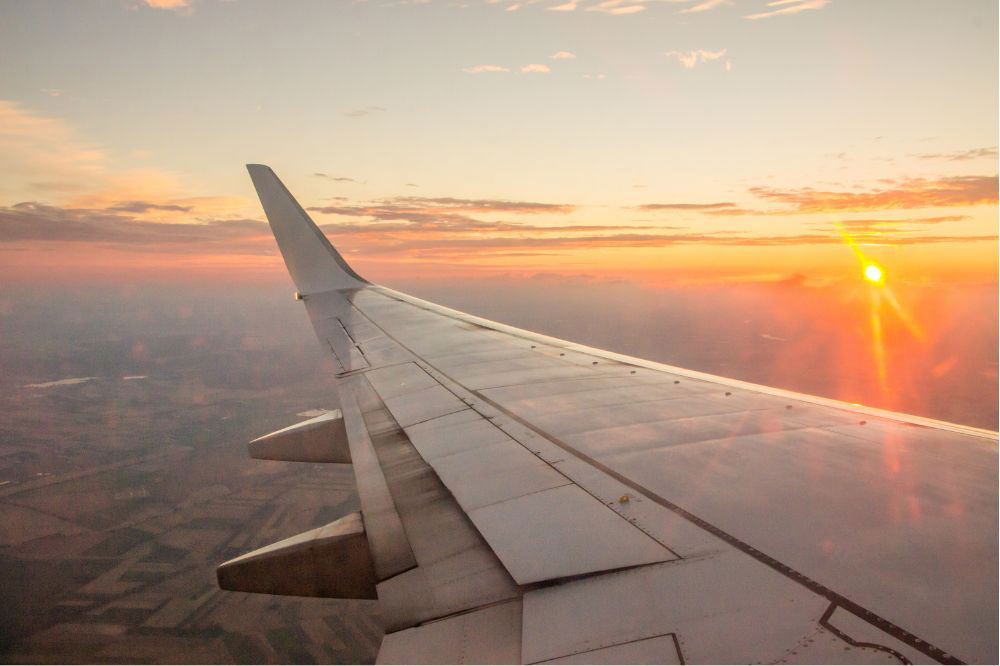
Extreme heat has a measurable effect on aviation that most passengers never think about until a delay is already in motion.
Hot air is thinner than cool air, which makes it harder for a plane to generate the lift it needs to get airborne. On its own, that’s manageable. But pair high temperatures with an airport sitting at significant elevation, and the conditions compound fast.
Las Vegas’ Harry Reid International Airport sits at just over 2,100 feet above sea level. Denver International Airport sits at over 5,400 feet.
Both cities regularly see scorching summer temperatures, and that combination puts them among the airports where heat-related disruptions are most likely to occur.
Pilots even have a name for it: hot and high.
Why Heat and Altitude Are a Problem for Planes
Anna Brown, a travel expert at Going, explained to Travel + Leisure that the effects of heat and elevation work together to reduce air density, which means the physics of flight become harder to achieve.
Airports with shorter runways face a compounding disadvantage. Less runway means less distance to build up the speed needed for takeoff.
Add terrain features like nearby mountains, and a plane may need to climb more steeply after leaving the ground, which becomes increasingly difficult in thin, hot air.
There are limits that vary by aircraft type. Regional jets tend to reach their operational ceiling around 118 degrees Fahrenheit. Larger mainline jets can typically tolerate slightly higher temperatures, somewhere in the mid-120s.
The Federal Aviation Administration doesn’t set a single universal maximum temperature for takeoff, noting that operating limits vary based on an aircraft’s make, model, weight, and the altitude of the airport.
In July, the situation turned very real when American Airlines asked passengers to voluntarily give up their seats on a Las Vegas flight after temperatures hit 114 degrees Fahrenheit.
What Airlines Do Before They Cancel
A cancellation is not always the first move when temperatures spike. Airlines have options before grounding a flight entirely.
According to Brown, carriers can add a fuel stop to reduce the weight carried at takeoff, or reduce the total load by carrying less cargo and, in some cases, fewer passengers.
They can also wait for cooler temperatures later in the day, though that approach depends entirely on how quickly conditions change.
The Best Time to Fly When Temperatures Are Extreme
The clearest practical advice for travelers passing through heat-affected airports is to book the earliest possible departure.
Morning temperatures are at their lowest, which keeps the risk of weight restrictions and load-related delays to a minimum. For anyone with a connection through a city like Las Vegas or Denver, building extra buffer time into afternoon layovers is particularly worth considering.
Know Your Rights If a Flight Is Canceled or Delayed
If a flight is canceled, significantly delayed, or changed, passengers are entitled to a full cash refund if they choose not to travel or decline a rebooking. That applies regardless of the reason for the disruption.
The key is knowing that entitlement exists before something goes wrong, not after.