
Something happened at one of America’s most iconic natural wonders that has left travelers, hikers, and park officials reeling. And if you have a trip planned, there are things you need to know right now.
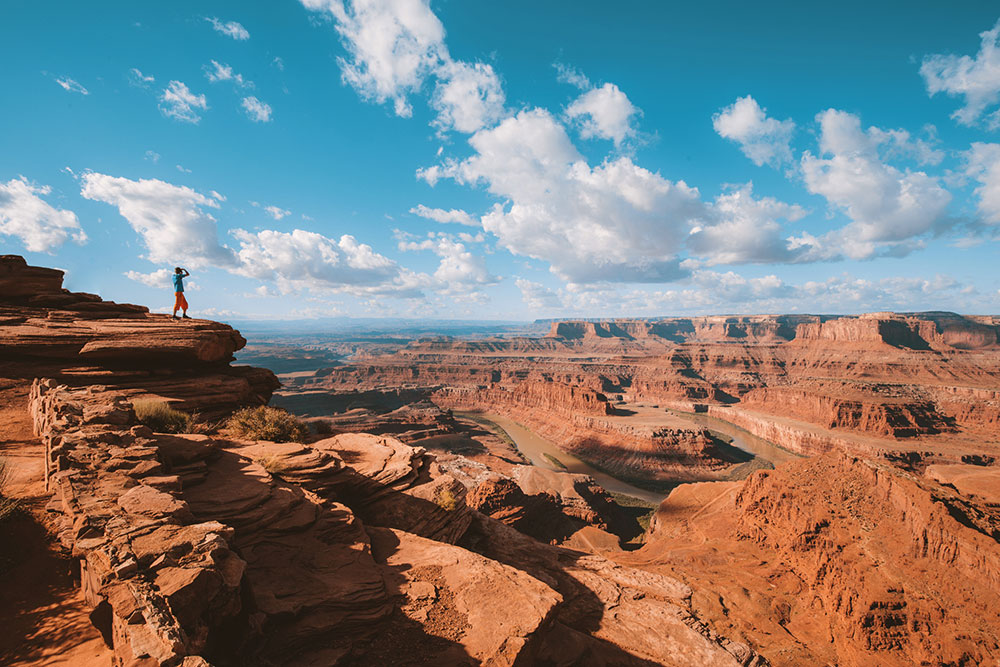
A deadly flash flood tore through Grand Canyon National Park on Saturday, August 29, killing two people, triggering mass evacuations, and setting off a chain of closures and restrictions that are still affecting visitors today.
The disaster struck the Bright Angel Canyon and Phantom Ranch area, and the damage left behind is extensive enough that the park’s entire water system is now compromised.
What Happened
The National Park Service described the event as “significant flash flooding,” and the numbers tell the story. More than 80 people were evacuated from the inner canyon.
Two people were confirmed dead. At least one person remains unaccounted for as of this writing, according to CBS News.
The flooding didn’t just endanger lives. It wiped out nearly every footbridge spanning Bright Angel Creek and caused severe damage to the Transcanyon Waterline, the infrastructure that supplies water from the canyon to the rest of the park.
What’s Closed Right Now
The destruction to the waterline is the reason Stage 4 water restrictions are now in effect on the South Rim.
That’s a serious designation, and it’s led to the closure of all overnight in-park accommodations. That includes El Tovar, Bright Angel Lodge, Maswik Lodge, Phantom Ranch, Yavapai Lodge, and the Trailer Village RV Park.
Water spigots at South Rim campgrounds have been switched off, though bathroom faucets are still operational.
A fire restriction is also in place across the entire South Rim and inner canyon. The Colorado River has been closed to river traffic as well, after metal structures and debris were swept into the water during the flooding.
What’s Still Open
Grand Canyon National Park remains open for day use. All South Rim food and beverage services are still running, and the Grand Canyon Clinic is available to visitors who need it.
Day hikers can still access the park, but trail and bridge conditions in the inner canyon have changed significantly. Anyone planning to visit should check the National Park Service website for the latest updates before heading out.
Water Conservation Measures in Effect
The NPS has asked everyone in the park to do their part while repairs get underway. The specific measures being requested include:
- Limiting showers to five minutes or less
- Turning off faucets while shaving or brushing teeth
- Flushing toilets selectively
- Washing laundry only with full loads
- Reporting any leaks to the appropriate park offices
“These measures are crucial for ensuring the safety and sustainability of water resources,” the NPS stated.
If You Know Someone Who Was in the Canyon
Officials are still working to account for everyone who may have been in the Bright Angel Creek corridor on August 29. If you know someone who was hiking or camping in that area that day, contact the NPS tip line at 888-653-0009.
When you call, be prepared to share the person’s name, approximate location, travel plans, group size, and a description of their clothing or backpack. Park staff are coordinating with the Arizona Department of Public Safety to continue evacuation and response efforts.
If You Have a Trip Planned
Anyone with upcoming reservations at South Rim lodges should contact their accommodation directly to understand how the Stage 4 restrictions affect their booking.
The situation is still evolving, and conditions in the inner canyon in particular are likely to change as repair work begins on the Transcanyon Waterline.
For the most current information, check the Grand Canyon National Park page on the NPS website before traveling.