Something is happening after dark across the American West, and travelers are starting to pay very close attention. It has nothing to do with nightlife, and everything to do with the night sky.
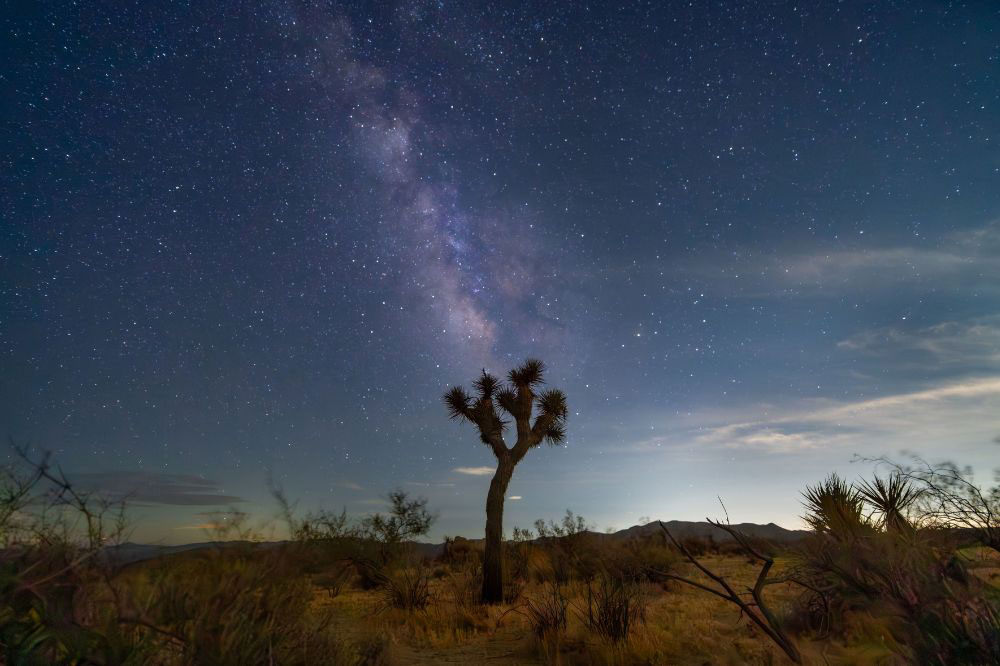
A new wave of wellness travel is pulling people away from spa waiting rooms and sunrise yoga schedules and pointing them toward something far older and more elemental: the stars.
It is being called star bathing, sometimes celestial bathing, and it borrows from the Japanese practice of forest bathing in that it prioritizes stillness, sensory awareness, and mindful immersion in a natural environment. The difference is that this one happens after dark.
The trend is backed by fresh data. BookRetreats’ State of Retreats 2026 Report found that 41 percent of respondents feel they do not spend enough time in nature, a finding that is fueling a sharp rise in demand for after-dark wellness experiences.
More than half of those interested in nature retreats said they want dark-sky programming built into future trips, whether that means guided stargazing sessions, moonlit wellness classes, or excursions to catch the northern lights.
Where to Go
The report ranked the best U.S. destinations for star bathing by cross-referencing certified dark-sky communities with established wellness hubs known for nighttime experiences.
The results skew heavily westward. Only one East Coast destination made the top ten, a detail that underscores just how rare truly immersive dark-sky experiences have become east of the Mississippi.
The ten destinations are:
- Sedona, Arizona
- Flagstaff, Arizona
- Joshua Tree, California
- Moab, Utah
- Teton County, Wyoming
- Breckenridge, Colorado
- Springdale, Utah
- Crestone, Colorado
- Ketchum, Idaho
- Asheville, North Carolina
Sedona Takes the Top Spot
Ranking first in the country is Sedona, Arizona, which was also recently named the most mindful destination on Earth.
The desert city has long drawn visitors in search of spiritual retreats, vortex hikes, and restorative escapes, but increasingly those visitors are arriving for what happens after sunset.
Sedona’s combination of minimal light pollution, expansive desert landscapes, and reliably clear skies creates near-perfect conditions for moonlit meditation, guided stargazing, and nighttime hikes among the red rocks.
It is the kind of place where the darkness itself becomes part of the experience rather than something to push back against.
The Bigger Picture
Star bathing sits within a broader movement that researchers and travel industry analysts are calling noctourism, a term covering the full range of after-dark nature experiences now gaining traction with wellness travelers.
Nighttime wildlife excursions are a significant part of this, driven by the fact that roughly 70 percent of mammals are nocturnal. Nighttime safaris and similar after-dark outings offer access to animal behavior that simply cannot be observed during daylight hours.
According to the BookRetreats report, 23 percent of respondents said they would join a nighttime wildlife safari.
The unifying thread across all of these experiences is the desire to be outside, in the dark, doing less. Screens off, noise down, sky up.
It is a straightforward concept that is resonating with a traveling public that has grown tired of wellness experiences that feel indistinguishable from the overscheduled lives they are trying to escape.
For anyone ready to look up, the American West is ready to deliver.