
Millions of passengers board their flights every day convinced they’ve done everything right. They haven’t.
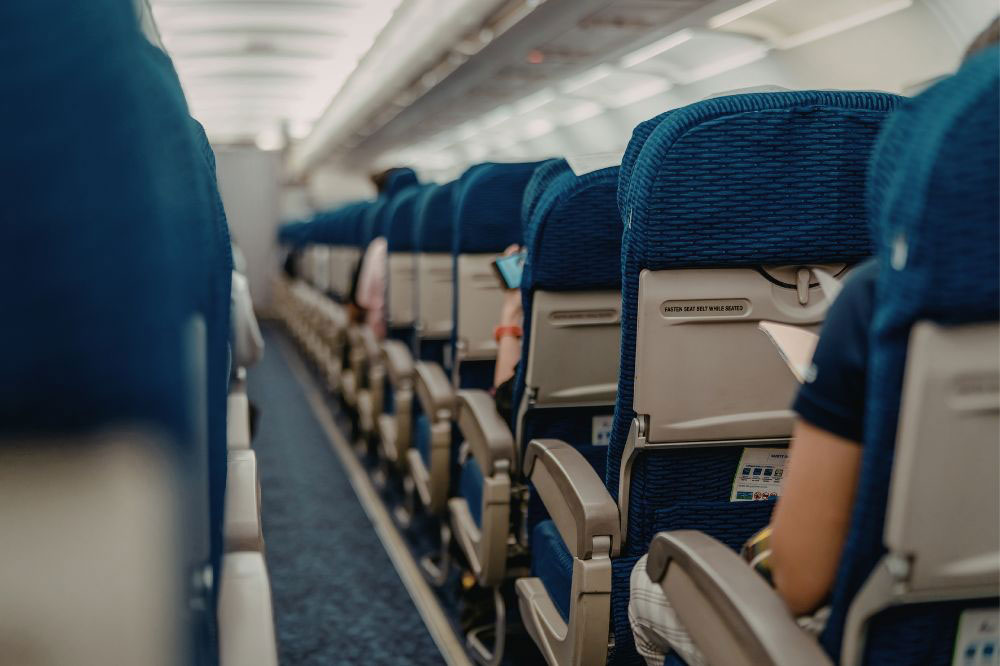
Selecting a flight seat sounds like the simplest part of booking a trip. Pick a window or aisle, maybe pay a few extra dollars for legroom, and move on. But travel experts and frequent fliers agree that most passengers are making a string of avoidable mistakes before they ever reach the gate, ones that quietly turn otherwise manageable flights into genuinely miserable experiences.
The good news? Almost all of it is fixable. Here’s what you’re getting wrong and how to do it better.
Letting the Airline Decide for You
Allowing the airline to auto-assign a seat feels like one less thing to worry about. In practice, it almost always results in the least desirable real estate on the plane: middle seats buried in the back, spots wedged next to bathrooms, rows squeezed against the galley.
Most passengers don’t realize how much control they actually have before stepping foot on the plane. Even a two-minute scan of the seat map can reveal quieter sections of the cabin, help avoid high-traffic areas, and lock in a position that makes a real difference, particularly on longer flights.
Skipping the Seat Map Entirely
The seat map is not a visual formality. It is one of the most genuinely useful tools available before a flight, and most travelers scroll right past it.
Jesse Neugarten, founder and CEO of Dollar Flight Club, makes the point plainly: a couple of minutes spent reviewing the seat map can completely transform the flying experience, especially on long-haul routes.
One detail that consistently catches passengers off guard is the window seat with no window. On certain aircraft, seat rows are misaligned or partially obstructed, leaving the passenger staring at a blank wall rather than the view they paid for.
Jimmy Yoon, travel expert and loyalty specialist at point.me, flags this as one of the most common and easily avoided oversights. A quick check before booking is all it takes.
Waiting Too Long to Check In
Even a mediocre seat selected at booking is not necessarily the final word. There is often a second opportunity to upgrade your position, but only for passengers who move fast.
Airlines frequently release previously blocked seats when online check-in opens, and those can include better rows, seats closer to the front, and spots with noticeably more breathing room. Wait a few hours and those options tend to vanish.
Yoon notes that check-in timing varies by carrier, but most domestic U.S. airlines open online check-in 24 hours before departure. Setting a reminder and logging in at that exact moment can make a meaningful difference.
Falling for Seats With Hidden Drawbacks
Some seats look like obvious wins on paper but consistently disappoint in reality.
Exit rows are the classic example. The extra legroom is real, but the trade-off is fixed armrests and little to no seat recline. For a short flight that might feel fine. For an overnight red-eye, it can be genuinely uncomfortable.
Last-row seats are another trap. Neugarten ranks the very back row of the cabin among the worst positions on any plane: minimal or no recline, galley noise directly behind, and a constant flow of passengers heading to the lavatories.
Seats directly in front of exit rows are worth flagging too. They lose the recline without gaining any of the legroom benefit, offering the worst of both situations.
Not Researching the Specific Aircraft
The same row number can mean something completely different depending on which aircraft is operating the flight. A seat considered a prime pick on one airline’s configuration might be cramped, noisy, or oddly positioned on another.
Neugarten recommends looking up the specific aircraft type before locking in a seat. Websites that specialize in aircraft reviews break down every row in detail, including which seats have reduced width, limited recline, or unfortunate proximity to engines and service areas.
It takes about five minutes and can save hours of regret.
Misjudging Whether an Upgrade Is Worth the Money
Not every paid seat upgrade is money well spent, and not every free assigned seat is worth rejecting. The mistake is treating seat selection as a one-size-fits-all decision rather than something that depends entirely on the specific flight.
On a two-hour domestic route, paying a premium for a few extra inches of space rarely makes financial sense. On a ten-hour overnight flight to Europe, that same upgrade can be one of the better investments you make for the whole trip.
Neugarten’s general approach is to factor in the total cost of the experience rather than just the base fare, and to think carefully before spending more on a seat than on the actual ticket.
Forgetting to Simply Ask
This one gets overlooked constantly. If the assigned seat is less than ideal, it is frequently worth asking at check-in or at the gate whether anything better has opened up.
Gate agents have considerably more flexibility than most passengers assume, particularly in the hour before departure when seat assignments are still shifting around.
Yoon points out that agents will often reassign extra legroom seats to passengers who could genuinely use more space, especially when the request comes with a little courtesy. It costs nothing to ask, and every so often it pays off in a way that makes the whole flight significantly better.