
Here are some tips for hiking in winter to help you make the most of your hike and to ensure you stay safe while enjoying the outdoors.


Winter hiking offers a unique and breathtaking outdoor experience. The serene landscapes, crisp air, and peaceful trails create an enchanting atmosphere.
Hiking in winter conditions requires proper preparation and precautions to ensure safety and enjoyment. In this article, we will provide you with 19 valuable tips that will help you make the most of your winter hiking adventures.
Plan Your Winter Hike
Before heading out, it is crucial to plan your winter hike carefully. Research the trail conditions, weather forecast, and daylight hours.


Choose trails that are suitable for winter hiking and align with your skill level. Plan your route, estimating the time it will take to complete the hike.
Additionally, inform someone about your hiking plans and expected return time. This will ensure that someone knows your whereabouts and can alert authorities if needed.
Dress in Layers
Dressing in layers is essential for regulating body temperature during winter hikes. Start with a moisture-wicking base layer that will keep sweat away from your skin and help you stay dry.


Add insulating layers such as fleeces or down jackets to trap heat and provide insulation. Opt for a waterproof and windproof outer layer to protect against the elements.
This outer layer should be breathable to prevent overheating and should have a hood to protect your head in case of snowfall or rain.
Protect Extremities
Exposure to cold temperatures can lead to frostbite, so it’s crucial to protect your extremities. Wear insulated hats that cover your ears to prevent heat loss from your head.


A significant amount of body heat is lost through the head, so keeping it covered is essential. Use scarves or neck gaiters to protect your neck and face from the cold air.
Don’t forget to wear warm and waterproof gloves or mittens to protect your hands from the cold. Look for gloves with good insulation and waterproofing features to keep your hands warm and dry throughout the hike.
Choose the Right Footwear
Investing in insulated and waterproof boots designed for winter hiking is vital. Proper footwear will keep your feet warm, dry, and protected from the elements.

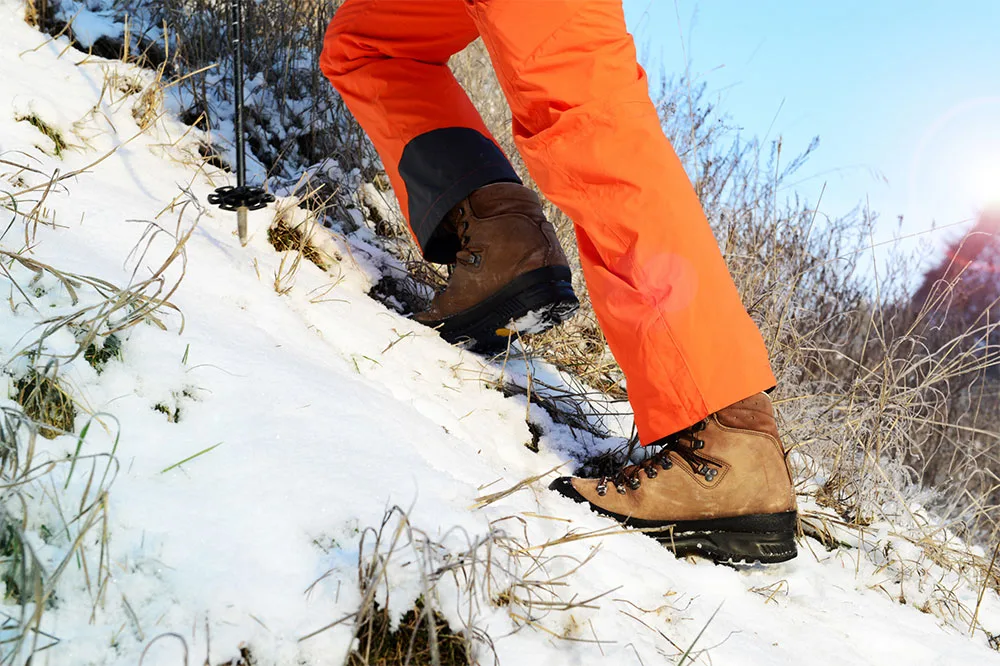
Look for boots with good insulation and a sturdy outsole that provides excellent traction on icy or snowy terrain. Consider using traction devices like crampons or microspikes for added stability on slippery surfaces.
Gaiters are also helpful in keeping snow out of your boots and protecting your lower legs from getting wet or cold.
Stay Hydrated
Staying hydrated is crucial, even in cold weather. Cold temperatures can mask the signs of dehydration, so be sure to drink water regularly during your winter hikes.

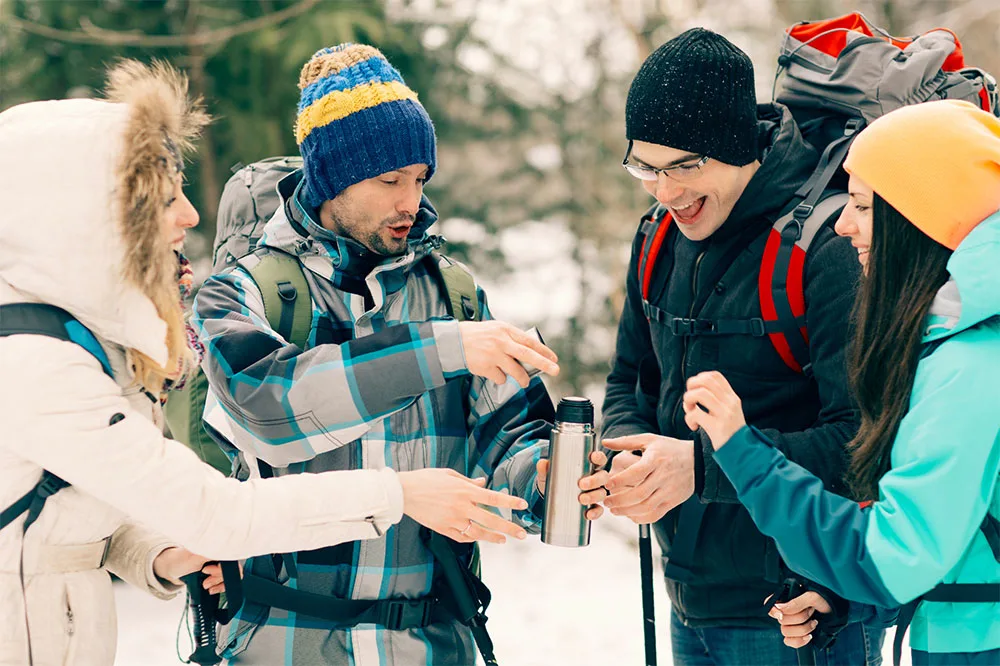
Carry an insulated water bottle or use an insulating sleeve to prevent your water from freezing. Opt for warm drinks like herbal tea or hot chocolate to keep you hydrated and warm at the same time.
Avoid drinking alcohol or caffeine as they can contribute to dehydration.
Pack High-Energy Snacks
Winter hiking requires additional energy due to the cold temperatures and challenging terrain. Pack high-energy snacks such as nuts, energy bars, or dried fruit to fuel your body throughout the hike.

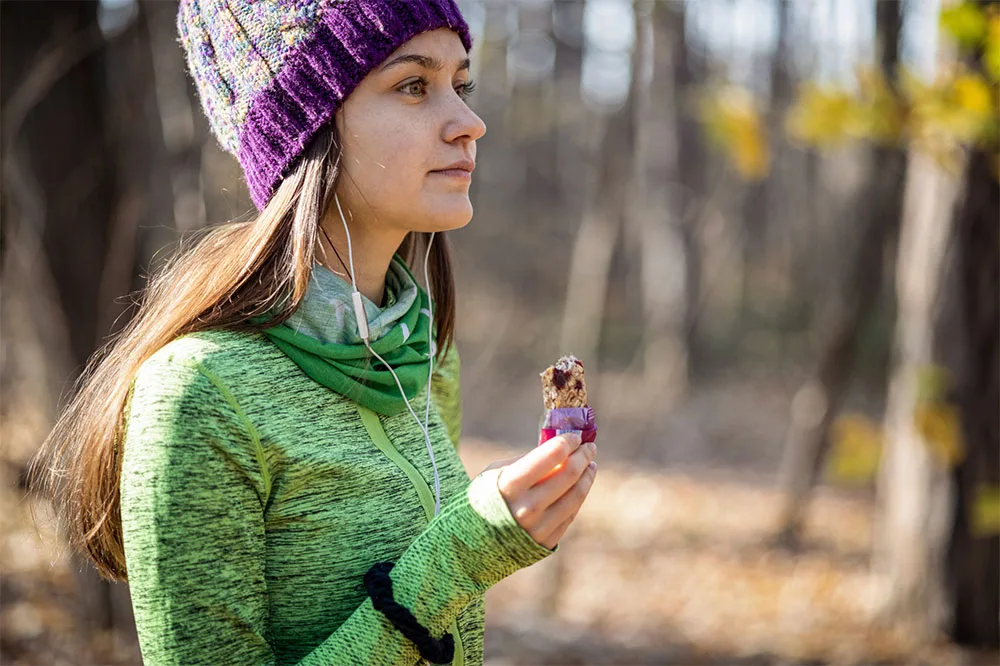
These snacks provide essential nutrients and keep you energized on the trail. Include snacks that are rich in carbohydrates, healthy fats, and proteins to provide sustained energy.
Snack on these items throughout the hike to maintain a steady supply of fuel for your body.
Use Trekking Poles
Trekking poles provide stability and support on winter hikes, especially on uneven or slippery terrain. They help reduce strain on your knees and provide balance during descents.

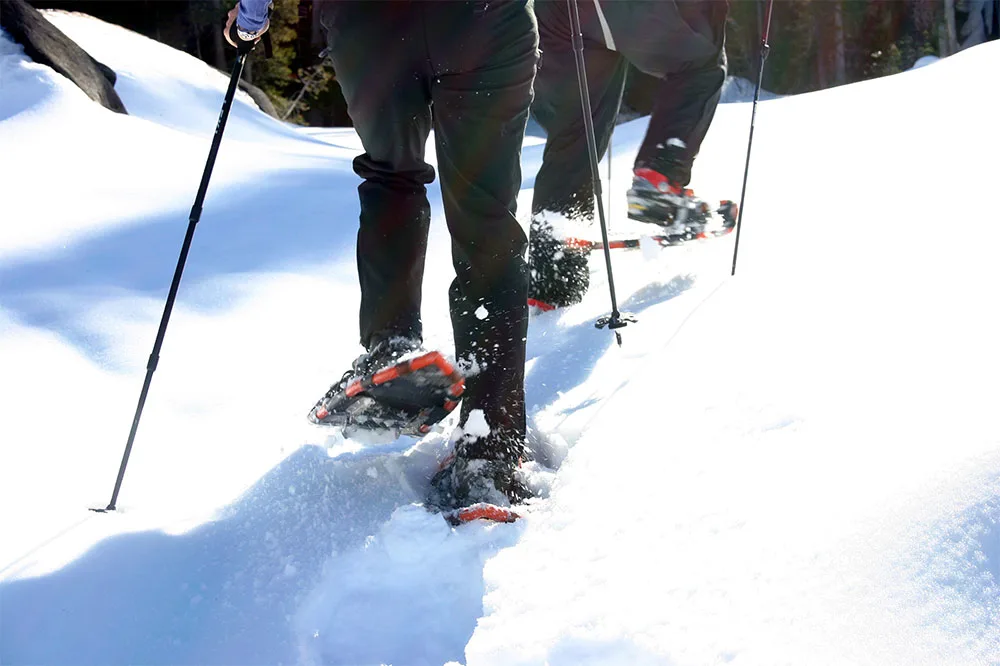
Adjust the length of your poles based on the terrain and your personal preference. When going uphill, shorten the poles to engage your arms and provide additional power.
When descending, lengthen the poles to provide stability and take some of the pressure off your knees. Trekking poles also help in testing the stability of the ground ahead and can alert you to hidden hazards such as ice or loose rocks.
They are a valuable tool for maintaining balance and preventing falls, particularly in winter conditions.
Be Aware of Early Sunsets
During winter, daylight hours are shorter, so it’s essential to start your hikes early to ensure you have ample daylight. This allows you to complete your hike before darkness sets in.


Carry a headlamp or flashlight as a precaution in case your hike extends into the evening. Opt for headlamps that have a long battery life and are lightweight.
Test your headlamp before your hike to ensure it is in working condition and pack extra batteries as a backup.
Watch for Icy Conditions
Be cautious of icy patches or slippery surfaces while hiking in winter. Take extra care when descending slopes or traversing icy terrain.

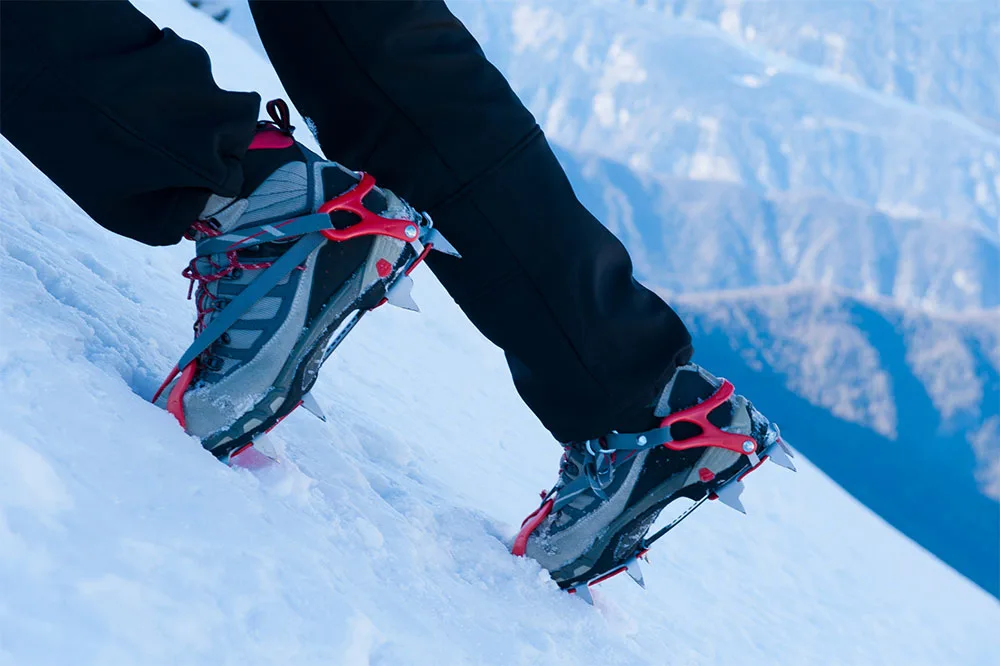
Consider using traction devices such as crampons or microspikes to enhance your grip on icy surfaces. These devices have spikes or metal chains that provide traction and prevent slips.
Heading out for a winter hike in Northern California, like the Rubicon Trail in Lake Tahoe, promises adventure but watch out for slippery trails. Embrace safety by strapping on trail crampons to prevent slips on steep mountain slopes.
Make sure they fit securely on your boots and check for wear and tear before each use. When encountering icy sections, take smaller, deliberate steps and plant your feet firmly to maintain stability.
Be Mindful of Hypothermia
Hypothermia is a real risk in cold temperatures, so it’s important to recognize the signs and take immediate action. Layer your clothing appropriately to retain body heat and prevent heat loss.


Keep dry, as moisture can accelerate heat loss during a winter hike or while camping somewhere like California. It gets from -2°C to 9°C in the morning and drops to -9°C to -3°C at night.
Carry extra layers of clothing to add or remove as needed to regulate your body temperature.
If you or someone in your group shows symptoms of hypothermia, such as shivering, confusion, or loss of coordination, seek shelter immediately, remove wet clothing, and warm the person using dry layers, blankets, or body heat.
Carry a Winter Emergency Kit
Prepare for unexpected situations by carrying a winter emergency kit. Include essentials such as a map, compass, whistle, first aid supplies, and emergency blankets.

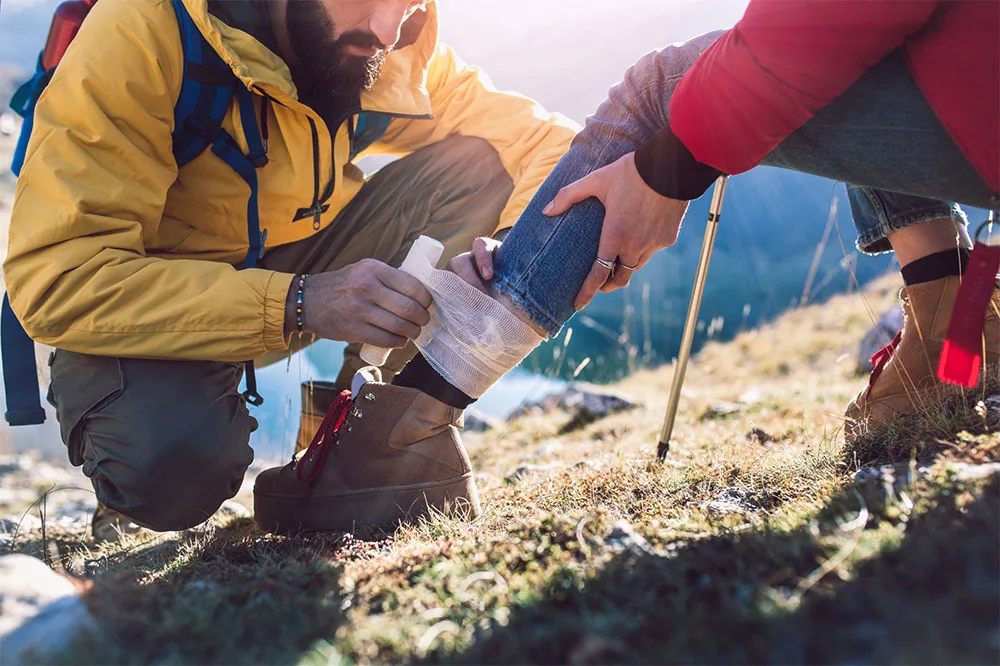
These items can help you navigate, signal for help, and provide basic medical assistance if needed.
It’s also a good idea to carry a portable phone charger or extra batteries to ensure you have a means of communication in case of emergencies.
Familiarize yourself with the contents of the kit and know how to use them effectively.
Stay Updated on Weather Conditions
Keep an eye on weather forecasts before and during your winter hike. Winter weather can be unpredictable, so it’s essential to be prepared for sudden changes in temperature, wind, or precipitation.

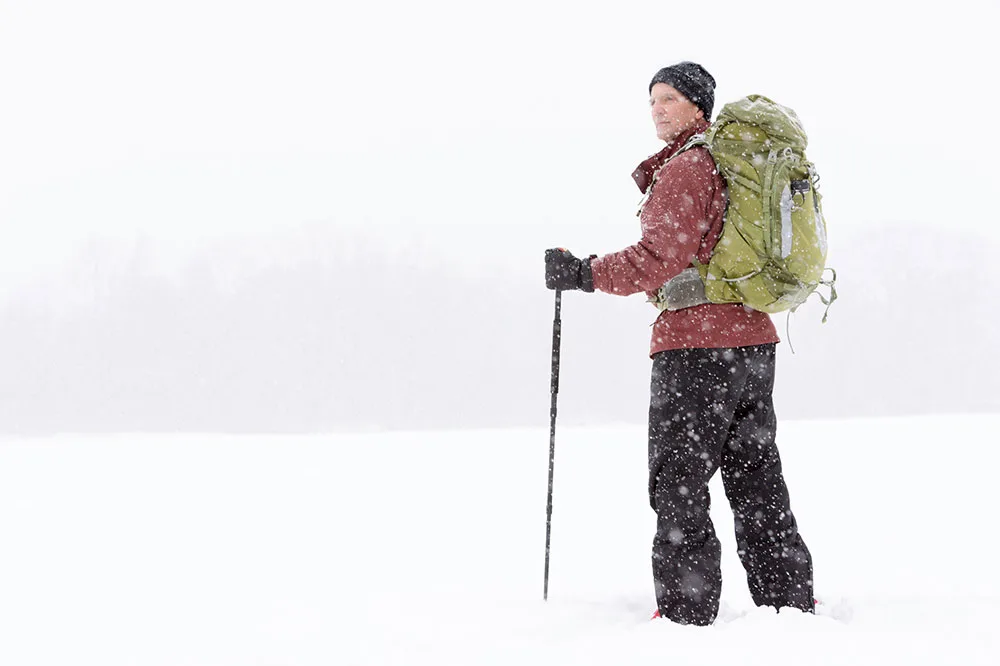
Check reputable sources for weather updates and advisories specific to the area you’ll be hiking in. Be ready to adjust your plans accordingly and consider postponing your hike if severe weather conditions are expected.
Your safety should always be the top priority.
Hike with a Buddy
Hiking with a companion is highly recommended, especially during winter hikes. Having a hiking partner ensures that someone is there to assist in case of emergencies or unexpected situations.


Choose a hiking partner who has experience with winter hiking and is familiar with the area you’ll be hiking in. Share the responsibilities of monitoring conditions, navigating, and making decisions.
It’s always safer to hike together, and the shared experience can add to the enjoyment of your winter adventure.
Stay on Marked Trails
In winter conditions, it’s essential to stay on marked trails to minimize the risk of getting lost or encountering hazardous areas. Trails are marked for a reason, indicating the safest and most suitable routes.

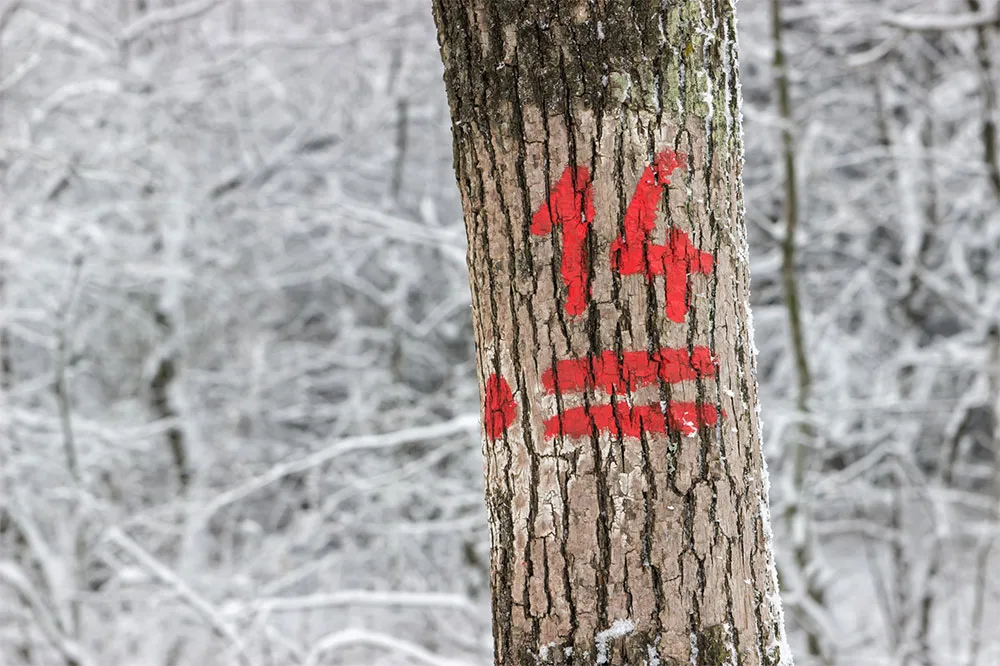
Straying off-trail can lead to dangerous situations, such as getting disoriented in whiteout conditions or stumbling upon unstable terrain. Follow trail markers, signs, and maps to stay on the designated path.
If you’re uncertain about the trail or encounter confusing junctions, consult your map or seek advice from experienced hikers or park rangers.
By staying on marked trails, you can navigate more confidently and reduce the chances of accidents or getting lost.
Prepare for Changing Conditions
Winter weather can change rapidly, so it’s crucial to be prepared for unexpected shifts in conditions. Even if the forecast predicts clear skies, pack extra layers and gear to adapt to changing weather.

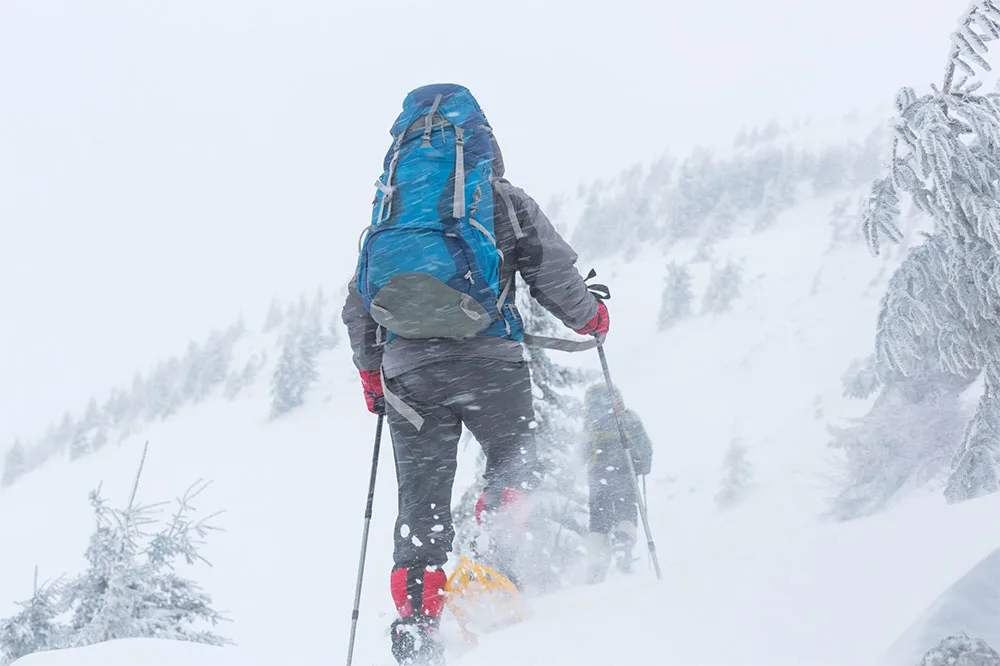
Carry additional warm clothing, including hats, gloves, and an insulated jacket. This way, you can add or remove layers as needed to regulate your body temperature.
It’s better to be over-prepared than caught off-guard by sudden drops in temperature or unexpected storms.
Take Breaks in Sheltered Areas
During winter hikes, it’s important to take regular breaks to rest, refuel, and enjoy the surroundings. Look for sheltered areas, such as rock formations or tree cover, to take your breaks.


These spots provide protection from the wind and offer a bit of warmth. Use this time to have a snack, hydrate, and appreciate the beauty of your surroundings.
Take advantage of these breaks to assess your energy levels, make any necessary adjustments to your gear, and ensure everyone in your group is comfortable and feeling well.
Leave No Trace in Winter
Practicing Leave No Trace principles is crucial for minimizing environmental impact, even in winter. Be mindful of the fragile winter ecosystem and follow guidelines to preserve the natural beauty of the trail.

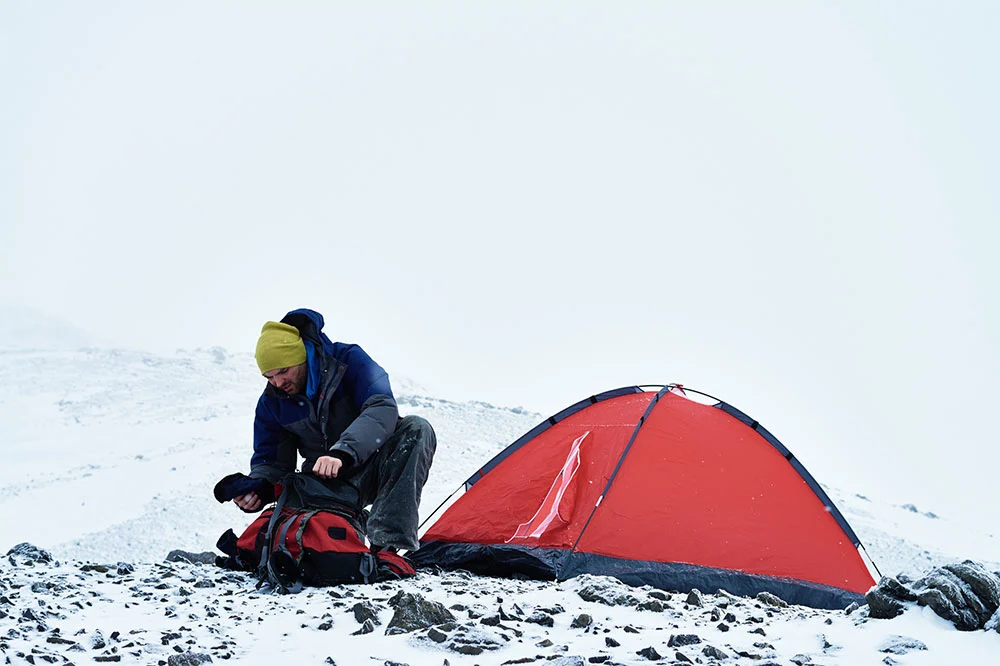
Pack out all trash, including food wrappers and tissues. Avoid damaging vegetation, especially when the ground is covered in snow.
Hike responsibly by keeping noise levels low to respect the tranquility of the environment and being considerate of wildlife. By leaving no trace, you help maintain the integrity of the wilderness for future hikers to enjoy.
Be Respectful of Wildlife
Winter hikes provide a unique opportunity to observe wildlife in their natural habitat. However, it’s important to remember to observe from a distance and not disturb or approach wild animals.


Keep noise levels low and avoid making sudden movements that could startle or stress them. Remember that animals are more vulnerable during winter and may require extra energy to survive.
Appreciate wildlife from afar and avoid feeding them as it can disrupt their natural feeding patterns and create dependency.
Enjoy the Winter Wonderland
Embrace the magic and beauty of winter hiking. The glistening snow, frozen waterfalls, and serene landscapes offer a different perspective of nature’s wonders.

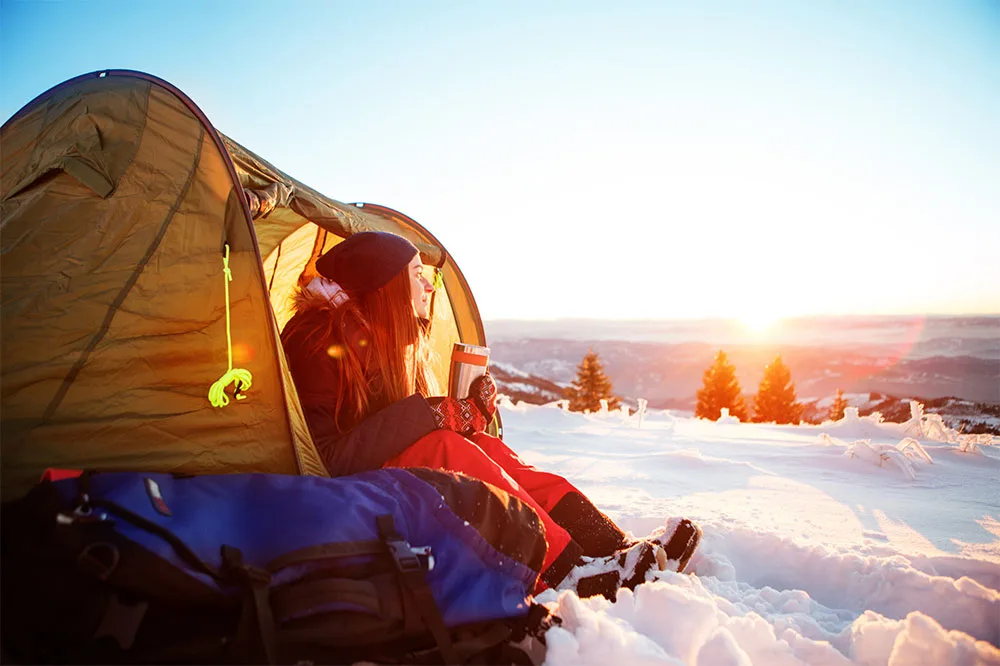
Take the time to fully immerse yourself in the experience, appreciating the stillness and solitude of the winter wilderness. Capture memorable moments through photography or simply take mental snapshots of the breathtaking scenery.
Be present at the moment and allow yourself to be captivated by the winter wonderland surrounding you.
In conclusion, winter hiking offers a remarkable and rewarding experience for outdoor enthusiasts. By following these 20 tips, you can ensure a safe, enjoyable, and memorable adventure on the trails.
Remember to plan ahead, dress appropriately, and stay hydrated. Use the right gear, stay updated on weather conditions, and hike with a buddy whenever possible.
Respect the environment, wildlife, and fellow hikers by practicing Leave No Trace principles. Finally, embrace the beauty and tranquility of the winter landscape while staying mindful of safety.
With these tips in mind, you’ll be well-prepared to embark on your winter hiking journeys and create unforgettable memories amidst the enchanting winter wonderland.
Do you have any questions about hiking in winter?
Let me know in the comments!
Like this post? Pin and save for later


